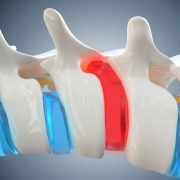
sinusitis neck pain

Sinus And Neck Pain: Understanding The 7 Key Connections

The human body is an incredible thing. It’s a vast and intricate network, where issues in one area can sometimes manifest symptoms in another – often in ways that seem strange, surprising or counterintuitive. A problem in the heart might cause pain in the arm, while an issue in the spine can lead to numbness in the legs. This interconnectedness can often make diagnosing and understanding health issues a complex task. For instance, you may be surprised to learn that the discomfort and pressure of sinus issues can be linked to neck pain – or, to a lesser degree, vice versa. In this blog, we’re going to explore the fascinating connection between sinus health and neck pain – and what can be done about it. Can sinusitis cause neck pain? Let’s dive in:

Sinusitis neck pain: Identifying the symptoms

First, a question: Is it really so difficult to imagine that, given the intricate anatomy and nerve pathways of the head and neck region, that sinus pressure can radiate to various other parts of the head and neck? Sinusitis neck pain is actually a lot more common than you might imagine, as the nerves in the sinuses – those air-filled spaces in the skull – are closely linked with their counterparts in the neck. Also common is that the body’s natural response to pain is to consciously or subconsciously alter posture or movement patterns, compounding the neck issue.

Sinus pressure in neck and shoulders?: Here’s the deal

Dealing with sinus and neck pain? Here’s how to get a better understanding of whether you really are tackling sinus infection neck pain:

1. Consistent timing of the symptoms

If your neck pain tends to flare up at the same time as sinus issues including congestion or headaches, it’s a good sign of a connection.

TIP: Use a warm compress on your sinuses to reduce congestion, which may in turn alleviate neck tension.

2. Location of the pain

Neck pain that is more pronounced towards the back of the neck and feels worse when you move your head can be a sign of sinus-related discomfort.

TIP: Gentle neck stretches and maintaining a good posture can help relieve this type of neck pain.

3. Pressure points

If pressing on sinus pressure points, such as those beside your nose or under your eyes, triggers neck pain, this can be a sign of their interconnectedness.

TIP: A gentle sinus massage using your fingertips can help relieve both sinus pressure and related neck pain.

4. Relief from sinus medication

If taking sinus medication eases your neck pain, this is a good indication of a link between the two.

TIP: Medication can provide temporary relief, but also ensure to stay hydrated and consider using a humidifier to keep your sinuses clear.

5. Changes with sinus treatments

Take note to see if other treatments like nasal irrigation or using decongestants also relieve your neck pain.

TIP: Practicing regular nasal irrigation is a good way to prevent sinus congestion, potentially reducing the frequency of neck pain.

6. Response to environmental allergens

If your neck pain worsens with sinus flare-ups during high pollen days or in dusty environments, they might be related.

TIP: Look up how to keep your living spaces free of allergens, like using an air purifier to reduce sinus irritants.

7. General stiffness & discomfort

A general feeling of stiffness or discomfort that extends from your sinuses to your neck definitely suggests a connection.

TIP: Engage in light exercise or yoga to improve overall body circulation and reduce stiffness.

Navigating through sinus and neck pain: Strategies for relief

Neck and sinus pain can be a complex and confusing interplay – so what’s next? Here at Longueville Road Chiropractic Centre (LRCC), our specialists diagnose and treat the full scope of musculoskeletal issues. We adjust misalignments in the spine, reduce nerve interference, alleviate muscle tension, and improve overall nerve function, which are all particularly beneficial for those experiencing neck pain connected to sinus issues. For personalised and professional Sydney chiropractic care, embrace the path to relief and holistic health by giving us a call today at LRCC.

Chiropractor VS Physiotherapist

Chiropractor VS Physiotherapist: Who To Choose For Your Pain?

Pain? Discomfort? Injury? It’s stressful when it happens, but the stress only grows once you reach the point of needing professional help – and you discover the old chiropractor vs physiotherapist debate. Both can deal with lower back pain, neck discomfort, muscle strains, and joint issues but only understanding the difference between chiropractor and physiotherapist practitioners can lead to the most ideal and optimised healing process.

Difference between chiropractor and physiotherapist

And the dilemma gets even more confusing in the case of ailments such as recurring spinal misalignments or persistent headaches, as the toss-up between the physio or chiropractor can be super-difficult to resolve. Because while both professions offer highly valuable services, one has the definite edge in addressing specific spinal and holistic health concerns.

So bearing in mind the ailment that’s troubling you, let’s dive into the difference between chiro and physio practitioners – and get you back into top shape soon!:

1. Scope of practice

The physiotherapist works primarily on restoring function and movement in individuals affected by injuries, illnesses or disabilities – although they can dive deeper into musculoskeletal problems. It’s the chiropractor, however, that really specialises in spinal health and its holistic impact on wellbeing, with a comprehensive approach that provides both immediate relief and long-term wellness.

2. Treatment techniques

Spinal adjustments or manipulations are a central aspect of the chiropractor’s treatment in the chiropractor vs physio comparison, while physiotherapists focus generally on massage, exercises, and movement training. So, too, does the chiro, but it’s the chiropractor’s highly targeted adjustments that can often offer the most rapid and long-term relief and spinal health benefits.

3. Holistic health approach

While physiotherapists normally target a specific injury or limited part of the body, chiropractors aim to improve the body’s overall functionality by ensuring optimal spinal health. In that way, chiropractic care is the more holistic approach, understanding that the spine’s health is intrinsically linked to the overall health of the body.

4. Duration of care

Physiotherapy treatments often require a more extended engagement, with multiple sessions scheduled over weeks or even months. Chiropractic adjustments, on the other hand, can regularly bring about quicker results, with many patients and clients sometimes feeling relief after just a few sessions or less.

5. Prevention focus

On the other hand, while physiotherapists usually guide patients on exercises to prevent further injuries, chiropractors – in this physiotherapy or chiropractor debate – emphasise the importance of regular adjustments, even when one feels healthy. That maintains optimal spinal health and prevents future complications.

6. Education and training

It goes without saying that both chiropractors and physiotherapists are rigorously educated and trained. In NSW, both professionals are registered with the Australian Health Practitioner Regulation Agency (AHPRA), and physiotherapists complete university programs. Chiropractors, meanwhile, undergo intensive chiropractic programs that can lead to a Masters of Chiropractic, and additionally must meet the standards set by the Chiropractic Board of Australia, including continuing professional development.

7. Tools & equipment

In exploring the difference between physio and chiro, you’ll find that – in a physiotherapist’s office – sophisticated ultrasound machines, hydrotherapy equipment and electrotherapy devices are common. On the other hand, chiropractors often lean towards skilled manual adjustment techniques, though they also employ precise instruments like activators for low-force adjustments, and might even utilise therapeutic ultrasound, cold laser therapy, electrical muscle stimulation and more.

8. Diagnostic abilities

In the physio vs chiropractor debate, both professionals are trained to diagnose conditions. But chiropractors are particularly skilled in spotting and rectifying subtle misalignments in the spine that might be overlooked in traditional physiotherapy assessments.

9. Postural expertise

While the experienced physio offers posture advice for injury recovery, chiropractors have a deeper understanding of the spine’s intricacies, offering expert guidance on maintaining optimal posture to prevent future issues whilst enhancing overall health.

Your journey to recovery: Physiotherapist or chiropractor?

So, what’s the verdict: physio vs chiro? While both chiropractors and physiotherapists play pivotal roles in managing musculoskeletal issues, chiropractors offer a unique, comprehensive approach to spinal health and overall wellbeing. One such dedicated chiro is Longueville Road Chiropractic Centre, situated on the scenic north shore of Sydney. We provide a blend of traditional chiropractic techniques complemented by modern tools and therapies, ensuring holistic patient care. So if you’re seeking optimal health, recovery and a journey towards enhanced wellbeing, schedule a visit with the skilled and friendly team at LRCC today.

Chiropractor or massage for neck pain

Chiropractor Or Massage For Neck Pain?: Follow Our 8 Steps

If you’re human, you know what neck pain feels like – because it’s one of the most common musculoskeletal disorders under the sun. About 20-30% of us, however, will actually feel it so acutely or  that we’ll seek professional help. If you’re in that category, it’s only natural to consider whether you need a chiropractor or just a massage for your neck pain.

Chiropractor or massage for neck pain?

How’s that neck feeling? Perhaps you just fell asleep in an uncomfortable position and it’s gone stiff overnight. Or maybe that neck pain has been caused by years of bad posture, a simple muscle strain, a degenerative condition, a compressed nerve – or something else entirely.

Whichever is true for you, you have several options on the menu:

  • Over-the-counter pain medication
  • Rest and at-home ice/heat therapy
  • Physical therapy exercises
  • Medical consultation
  • Massage therapy or chiropractic care.

The reason we’ve grouped the last two together is because they both can be highly effective treatments for neck pain of one type or another. Massage focuses on relaxation and muscle tension relief, while chiropractic care involves skilful spinal adjustments aimed at improving alignment.

Do you really need a chiropractor for stiff neck?

So how do you know when you should be booking an appointment at your local massage specialist, or start looking into finding a great chiropractor for neck pain? The answer? Here’s how to figure it all out:

1. How’s your pain?

Whether you need a quick neck pain massage or a chiropractor depends first of all on the severity and persistence of your neck pain. A massage can suffice in many cases, especially in the case of mild discomfort from muscle tension. But for more comprehensive relief and long-term improvement, or if the pain is in the severe or chronic categories, a chiropractic assessment is something to look into.

2. What are your symptoms?

If your symptoms have moved in the area of severely restricted movement, numbness or headaches, this indicates the involvement of the nerves. In that case, chiropractic care can be helpful.

3. What’s your medical history?

Do you have any pre-existing conditions or past injuries? Remember, massage therapists are not necessarily trained to diagnose and manage musculoskeletal issues – but chiropractors are! For specific medical history-related concerns, step your treatment up a notch.

4. Consider your personal comfort

Remember, manual adjustments by chiropractors involve some level of discomfort due to joint manipulation. If you’re squeamish about this from the outset, it might be a good idea to try a gentle massage first.

5. What are your treatment goals?

Are you just seeking some immediate relief from muscle tension? In that case, a great massage can be great. But if your concerns have moved into the zone of long-time spinal and overall health and alignment, start looking around for a good local chiropractor.

6. Ask the experts

The easiest way to get a very informed opinion or two about what you need for your situation is – thankfully – easy! Get in touch with a qualified massage therapist and a chiropractor, and describe what you’re going through. They’ll know what to do next.

7. Give it a try

While you’re in touch with those massage and chiro specialists, ask them if it’s worth giving their services a whirl. That’s because a massage is a very low risk and not likely to cause any serious additional problems. A consultation with a chiropractor, meanwhile, will give you a great idea about whether adjustments will alleviate your pain.

8. Tend towards a holistic approach

Do you tend towards a comprehensive, whole-body approach to healing? If so, you’re a believer in not just symptomatic relief but enhanced overall wellness. In case of neck pain, chiropractic care will seek to enhance your overall wellness by focusing on the spine’s alignment and its impact on the nervous system. If you’re looking solely for immediate sensory well-being, a decent massage is worth a try.

Need to find a great neck pain chiropractor?

Are you going down the chiro road? Good news: it’s easy to take the next step. It’s just a matter of scheduling an initial consultation with one of our fully-qualified and always-friendly chiropractors to assess your situation and come up with the perfect and totally personalised treatment plan.

If you’re seeking expert chiropractic care in the North Shore area and beyond, Longueville Road Chiropractic Centre is a trusted destination offering specialised chiropractic services with that extra touch. Get in touch with LRCC today and we’ll work through that neck pain together.

Lower back and hip pain on one side

7 Causes Of Lower Back And Hip Pain On One Side

Did you know lower back pain is one of the most common musculoskeletal problems in all of humanity? Studies have shown that at least 8 in 10 adults deal with it at some point in their lives – and about 10 percent chronically. And while less common, hip pain is another big deal for an awful lot of people, especially as we all inevitably age. But what about simultaneous lower back and hip pain on one side of the body only? If your search for solutions has ended up here, it’s likely you’re experiencing:

  • Localised, shooting, dull, constant or intermittent lower back/hip pain on one side
  • Radiating pain from the lower back or hip down a buttock, thigh or even into the leg/foot
  • Stiffness, especially after sitting or lying down
  • Limited range of motion, especially bending, twisting or prolonged standing
  • Numbness, tingling, ‘pins and needles’ in the lower back, hip, buttock, thigh or leg
  • Muscle weakness on the affected side
  • Limp, or altered gait & walking pattern.

Back and hip pain deserves a diagnosis

First up, if any of this sounds like you, it’s definitely time to visit a healthcare professional for an assessment and accurate diagnosis. But before you make an appointment, bear in mind that the most likely cause of your particular issue is probably one (or more) of the following:

1. Muscle strain/sprain

With a bit of luck, you’ve just overused a couple of muscles, strained a ligament with a sudden move, or a sprain may even have been caused by poor body mechanics.

Luckily, some basic physical therapy, gentle stretching or pure-and-simple rest can help with both the pain and healing.

2. Musculoskeletal imbalances

If the muscles are imbalanced or posture is poor, uneven stresses are placed on the lower back and hip – which can result in that one-sided pain. But the great news is a comprehensive approach involving chiropractic adjustments, postural corrections and tailored lower back exercises can help hugely to promote a re-balancing and alleviation of pain.

3. Sciatica

Sciatica is a worrying and often very painful condition caused by the compression or irritation of the sciatic nerve, which runs from the lower back and down the legs. Sciatica symptoms very commonly present as pain on just one side of the back, buttocks and a single leg, and can be helped by:

  • Stretching/exercises
  • Chiropractic adjustments & other manual therapies
  • Injections or surgical intervention.

4. Herniated disc

Otherwise known as a slipped disc or bulging disc, it happens when the soft inner material of a spinal disc protrudes through the outer layer – irritating those sensitive nerves. And while surgery is necessary in severe cases, it quite often heals over time with rest, exercises and physical therapy, while therapeutic chiropractic care is known as a powerful non-surgical alternative.

5. Sacroiliac joint dysfunction

The triangular bone at the case of the spine is called the sacrum, which is connected to the hip bones via the sacroiliac joints. Dysfunction, injury or inflammation of the joints can result in lower back and hip pain on one side, and there are multiple potential treatments including:

  • Specific chiropractic adjustments & mobilisation techniques
  • Stabilisation exercises
  • Injections & radiofrequency ablation.

6. Osteoarthritis

Ongoing wear & tear of joints including the hip and (lower back) facet joints can eventually lead to osteoarthritis, a painful degenerative disease affecting the critical protective tissues. It’s particularly common in the weight-bearing hip and lower back, and while a trip to the chiropractor isn’t going to reverse it, the pain and joint function can most definitely be helped over time.

7. Bursitis

The bursae are little fluid-filled sacs located near joints, which act like cushions between bones, tendons, muscles and other tissues. There are several of these bursae in and around the lower back and particularly the hips, and we call it bursitis when the sacs become inflamed. Joint mobilisation and various soft tissue techniques can really help to manage the pain and promote the affected bursae. The patient needs to do a lot of gentle strengthening exercises for the area of involvement.

Get back and hip pain relief at LRCC

As you can tell, low back hip pain right side only (or low back hip pain left side only!) is a complex condition with plenty of potential causes and treatments. From strained muscles to damaged discs to sciatica, osteoarthritis and beyond, there are a lot of underlying factors and causes – but there’s also a unifying factor that offers plenty of hope for relief: Longueville Road Chiropractic Centre.

Visiting a chiropractor is now widely recognised as among the safest and most effective ways to treat many conditions often without drugs, surgery or other invasive solutions. Is one-sided lower back hip pain getting you down? Why not give the local chiropractor Sydney North Shore a call right here at LRCC?

benefits of chiropractic adjustment

6 Surprising Benefits of Chiropractic Care

When some people think about the benefits of chiropractic care, they think: “It’s good for your back … I think.” Many others wonder: is chiropractic good for you at all? The truth, of course, is always much more complex. In a nutshell, chiropractic benefits are far-ranging – and even very surprising. Yes: it’s true that most people will book in because they think the benefits of chiropractic adjustments will help their troublesome shoulder, neck or back pain. But also true is that they often keep coming back indefinitely, because they discover that chiropractic care is much, much more beneficial than they ever imagined.

In short, some of the more surprising benefits of chiropractic care are that:

1. Chiropractic care boosts your immunity

To fight off viruses and bacteria, you don’t in the first instance need medicines and antibiotics – rather, you need a strong and healthy immune system. But chiropractic misalignments can throw off your entire immune system – making good overall health one of the key benefits of chiropractic adjustments.

Top fact: A recent study showed that just one chiropractic adjustment to the spine can improve your immunity to the common cold.

2. Chiropractic care helps with digestion

Many people think the spine is simply a pillar to support the body and keep the spinal cord protected – and they are not wrong. But there are also nerves in the spine whose central function is to help the stomach to perform its crucial role. A spinal misalignment in this area can ‘confuse’ these nerves into producing too much acid, meaning some of the surprising benefits of chiropractic adjustments are reduced heartburn, acid reflux and gas.

Top fact: It has been shown that over 70% of all Australians live with gastrointestinal discomfort including constipation.

3. Chiropractic care gives you energy

Many people who visit a chiropractor report afterwards that it has relieved spinal tension that they didn’t even realise they had. That’s because we get used to the various ways in which the nerves in our spine are affected by misalignments and poor posture, but it still leaves us feeling fatigued and generally run down. With all that tension relieved, the body has a new lease of life thanks to one of the most surprising benefits of chiropractic care.

Top fact: Chiropractic care that relieves pain and poor flexibility can also improve your sleep.

4. Chiropractic care lowers your blood pressure

In 2007, a placebo-controlled study showed that one of the benefits of chiropractic adjustments in the upper neck was a reduction in blood pressure. The blood pressure reduction was found to be so significant that it had the same effect of not one, but two of the leading medications used to treat high blood pressure.

Top fact: Perhaps the best of the various chiropractic adjustment benefits is that they are generally completely side-effect free.

5. Chiropractic care helps you breathe

How is chiropractic good for you in so many ways? The answer is that pretty much every single part of your body relies on the functioning of nerves. One of those parts of your body is your lungs, meaning that misalignments in your spine’s mid-cervical and thoracic areas can actually cause or exacerbate asthma and other respiratory-related problems.

Top fact: A study showed that people with lung disease reported less gasping for breath.

6. Chiropractic care is great for pregnant women

Many pregnant women know all about back pain. That makes chiropractic care of particular benefit, despite the common misconception that spinal adjustments are not safe for most pregnant women. But the chiropractic benefits during pregnancy do not stop there. Research has shown that pregnancies are not only healthier with the help of a chiropractor, delivering the baby is easier as well as ligaments in the pelvis are loosened.

Top fact: Birth defects are also rarer with the help of chiropractic care, as a misaligned pelvis can limit how much room the baby has to grow in.

Are you convinced that the benefits of chiropractic care extend well beyond common issues with the back and neck? Then why not consider making your first appointment with Longueville Road Chiropractic Centre, the most trusted name in chiropractic care on Sydney’s North Shore. Call today on 02 9418 3930.

mobile phone neck back pain

How Mobile Phones Cause Neck, Back Pain & Headaches

Health providers across the globe have become quite familiar with the body’s response to the new technology of the 21st Century, and the last two years appear to have had a considerable impact on our joints and alignment in the hands, neck, shoulders, and upper backs including additional loading on the low back.

In conversations with our patients, we have noted a great deal of poor ergonomic desk setup that has occurred due to working at home requirements during the lockdowns, as well as greater demands of the companies/businesses on their employees, equating to more time in front of a computer, often with poor posture adaption.

Most students have spent more time in their rooms, particularly in the last two years. Laptop usage at school has also become commonplace. These days, most teenagers and University students lives revolve around staring at their laptops or their phones. This is not new information for everyone!

The Rise of Technology and Strain on the Body

The rise of technology accessibility and overuse, plus the consequence of lockdowns, have caused a great increase in complaints such as back pain, neck pain, headaches, shoulder pain and repetitive type strain injuries.

Tendinitis in the fingers, thumbs, wrists, elbows and all the way up the arm to the neck can result from tapping away on mobile phones. We are using our muscles and joints in ways that strain them. Wrists are flexed for long periods, holding too much weight, with fingers moving repeatedly across a very short range of motion. The head is often flexed forward changing the load onto joints and muscles. Over time, these actions can cause inflammation and pain. For example, studies have been done linking De Quervains tenosynovitis (tenosynovitis of the thumb) to mobile phone usage. The pinkie finger is often used to hold the weight of the phone also leading to problems.

Text Neck

From a clinical perspective, the greatest issue with mobile phone usage is headaches, neck pain and upper back pain, as the fulcrum of the head and neck tends to load up the joints and muscles in the upper back and lower neck causing strain here, as well as under the base of the skull from the muscle pull. Text neck or forward head carriage can load the neck muscles and cervical spine by a factor of 4 to 5! 10cm of forward head carriage (the ear forward of the tip of the shoulder) adds 4.5 kilograms on to the top of the shoulders. Ouch! Be aware of that word document or zoom call where you are leaning into your screen.

Very frequent phone usage can also affect the nerve at the elbow, the ulnar nerve. The symptomatic picture of this is numbness and weakness in the pinkie finger and ring fingers. However, loading the discs and nerves in the lower neck and upper back can also induce these symptoms. Anytime there is inflammation, there is also swelling. This can cause a squeeze on the nerves that run through them. Imagine standing on a hose.

Wear Tear and Pain

It is always important to remember that postural alterations could also exacerbate pre-existing nerve and joint issues. Our body, in a correct postural stance, free of any injury that has not caused a change in any of our normal curves of our spine, has a center of gravity that enables even weight distribution on the joints and a relative relaxation of muscle tissue and ligaments.  A simple analogy is a wheel alignment in a car. If you hit a curve badly, or are involved in a collision, the wheels and often the body of the car can be very altered. The tyres start to wear. The same applies to the spine. Imagine the implications of a building foundation that was not stable. Once areas of the spine or joints in the body take a greater load, then wear and tear will develop.

Sleep Issues

Blue light from our screens can also disrupt our circadian rhythms and therefore our sleep. Blue light affects the production of melatonin in our bodies reducing both the quality and quantity of sleep. Blue light glasses can help to block some of this light. Many companies will have different shapes and sizes to choose from as well as provide magnification if that is also required for reading.

Solutions

We’ve seen an ever increasing frequency of such issues at our Lane Cove chiro clinic. The good news is that much can be done to improve these issues with new technology. It is never too late to implement some change. Most of the lack of good joint movement and therefore the development of pain we see in practice is from poor loading patterns. The muscles are like cables and will adapt to what the structure is doing (think the Leaning Tower of Pisa). Simple chiropractic adjustments and adoption of healthy postural control can remedy many symptoms. There are also numerous devices on the market than can help restore normal spinal curves. Postural muscle strengthening is also key. Accelerated disc degeneration can result in any changes, so if you catch things early, they don’t tend to become chronic.

What You Can Do:

  • Microbreaks – Take regular breaks to unload. Recommended 30 seconds every hour. Neck retraction, arms by your side, turning your thumbs out and holding your shoulders back for a 30 second hold can prevent repetitive strain on joints, ligaments and muscles. Also find time in the day where you think about how you are holding your body and fix it. Hopefully, with enough practice, it will become subconscious.
  • Invest in a large foam roller – Lie on it vertically, head resting, knees bent, feet flat on the floor, dropping the arms back, opening the chest. This is also brilliant to calm the nervous system and can be helpful before bed to rest the mind.
  • Learn to strengthen your shoulder blade stabilisers – Ideally starting with a theraband. It is important to keep these muscles switched on when working on a computer. This can prevent many shoulder injuries, including rotator cuff.
  • Mobilise – Broomstick rotations, wall angels, knee to chest pull ups, hip rolls, neck rotations.
  • Improve the home office setup – Standing workstations relieve the pressure on the low back tremendously. It is very important to have your eyes looking straight ahead so improving screen height is essential and this includes laptops. Improve the keyboard so your elbows remain at 90degrees and are not extended out (this causes rounding of the shoulders) and adopt the use of a better mouse or wrist support.
  • Voice to text option for mobile phones and hold the phone up! – Use phone grips.
  • Tone Up with Pilates or Gym or do some Yoga – Without the concrete pillars in a building, what’s going to hold it up?
  • Regular Chiropractic adjustments – Free joint movement, balancing the body’s biomechanics, unloading discs and nerves will also relax the muscles, keeping yourself tuned. Here, unlike dental work or your car mechanic, we can’t replace the parts, so get tuned up!


bulging disc in neck symptoms

4 Classic Symptoms Of Bulging Disc In Neck

Clients and patients often present to chiropractors and other health practitioners with the classic signs of a bulging disc in their lower back because they knew which symptoms to watch out for. Pain when sitting, sciatica pain radiating down the leg, and pain when pushing, pulling and sneezing. Much less well understood, however, are the classic symptoms of bulging neck discs.

Why’s that? It’s purely a numbers game. While 8 in 10 people will experience lower back pain at some point or another in their lives due to problems with the intervertebral discs, similar neck problems including the offending neck disc bulge – known collectively as cervical spine issues – are somewhat less common. On average, problems with the discs in the C1-C7 region – the neck – affect only 30-50% of the population, making the classic symptoms of a bulging disc in neck less well understood.

So today, we’re going to demystify those bulging disc in neck symptoms by running through what aches, pains and other sensations you should be watching out for.

First things first, though: the condition known as bulging discs in the neck and upper back region or some variation is technically called a cervical herniated disc. It’s when the gel-like material inside the disc either herniates, ruptures or otherwise encroaches on the cervical disc wall. The pain and discomfort are caused by the damaged disc encroaching into the spinal canal or otherwise coming into contact with the nerve roots.

What does it feel like? Most patients report sharp pain in their neck, arm or both, while other structures around the area – including the spinal cord itself – can become inflamed. And we think there are 5 specific symptoms and signs caused by bulging discs in neck that you should know about:

1. Neck pain

This is the obvious one, which is normally felt either at the back or on one particular side of your neck. The pain can range from mild to burning, and the affected area is also likely to be tender when pressed on.

2. Radicular pain

This is the sensation of a spinal nerve becoming irritated or pinched as it sends painful ectopic nerve impulses from the neck or upper back radiating down your shoulder, upper arm, forearm, hand and into the fingers. Some clients report it as a hot, shooting, electric shock sensation.

3. Cervical radiculopathy

Also caused by bulging neck discs, this is when the sensation of the nerve damage results in neurological effects including numbness, weakness and even altered reflexes. The feeling can extend throughout the shoulder, arm, hand and fingers and become worse with certain movements or activities.

4. Neck stiffness

We all sometimes wake up with a stiff neck, but when it keeps coming back or it’s worse than a typical mild neck strain, the stiffness can be one of the symptoms of a bulging disc in neck. It happens when the damaged disc results in inflammation of the tissues in the surrounding region.

LRCC can help with your neck disc bulge

Did you know our North Shore chiropractors can help with your neck disc bulge? Without surgery or medication, they may consider a range of completely safe and scientifically-proven chiropractic techniques and treatments including spinal manipulation, flexion-distraction, cold laser therapy, pelvic blocking treatments and much more.

If you’re interested in pursuing a totally personalised plan for bulging disc treatment in Sydney, our friendly team at Longueville Road Chiropractic Centre would love to hear from you so you can get back to doing everything you love as soon as possible. Give us a call, contact us online or drop us an email today!

sciatica symptoms

The 8 Sciatica Symptoms You Must Know About

If you suspect you may be experiencing sciatica symptoms, you’re probably not wrong. That’s because the sensations and pain – ranging from mild to severe, sporadic or constant, acute or dull – are highly unique. In this analysis, we’re going to take a closer look at the most striking sciatica pain symptoms to watch out for – and what you can do next to get back to the life you love!

What does sciatica feel like?

  • Shooting, searing or dull pain deep in the buttock?
  • Similar pain radiating down the back of your leg?
  • Numbness, tingling, burning, electric-like sensation along the sciatic nerve?

Many people refer to the feeling as electricity-like, which is no surprise given that it’s got everything to do with the sciatic nerve. The trouble usually starts in the lower back due to the pinching, touching or irritation of any of a series of nerve roots that can radiate their messages down the sciatic nerve, through your buttocks, your legs and even all the way to your toes. And if you’re feeling it predominantly on just one side of your body, such as pain shooting down a leg, it’s almost certain sciatica pain.

What causes sciatica symptoms?

As mentioned above, sciatica pain originates in the series of nerves in the lower back – most commonly with a lower back injury such as a herniated or bulging spinal disc. These rubbery discs are filled with gel-like fluid that makes our spine so effortlessly flexible, but other potential causes are spinal stenosis (narrowing of the spine), bone spurs, and other conditions such as facet joint osteoarthritis, lumbar degenerative disc disease and spondylolisthesis.

What are the other sciatica symptoms?

In addition to our description of the sciatica pain symptoms outlined above, we believe just about all cases of those suffering from this problem can be covered by the following 8 basic categories of symptoms:

1. Lower back pain

Those experiencing sciatica usually report that the trouble began with lower back pain, which is no surprise given that 9 in 10 cases are caused by a herniated spinal disc. The good news is that many such disc problems resolve.

2. Shooting pain

People often describe sciatica pain as ‘shooting’ and triggered by moving, lifting, standing, sitting or twisting in certain ways. It’s referred to as ‘shooting’ because it can ‘shoot’ from the lower back all the way to the toes.

3. Rear leg pain

Another widely reported symptom is pain in the back of the thigh, which again is caused by affected lumbar nerves. The sensation is often sharp and worse when you move, but it can also be duller and more sporadic.

4. Hip pain

Sciatic nerve problems can sometimes cause inflammation around the affected area, resulting in discomfort or pain in the hip. In many cases, gentle exercises can greatly help relieve the symptoms over time.

5. Pins & needles

This symptom can resemble the feeling of a ‘dead leg’ and resulting pins & needles, and it will usually recede with a period of rest.

6. Leg weakness

Sometimes, the symptoms can progress to the point at which leg weakness makes even walking difficult. However, continuing to move during these flare-ups can help, although surgery for nerve damage may be necessary. Often, your health specialist will help to diagnose sciatica and its causes by asking you to lay down and raise your straightened leg, and if this is particularly difficult or results in pain below the knees, that’s a red flag for sciatica and its causes.

7. Backside pain

Sciatica can be a real pain in the backside – literally! We’re talking about the gluteal muscles, which can also feel weak or numb depending on the extent of the affected nerve.

8. Urge to go to toilet

While most common only in more extreme cases, the frequent urge to either urinate or empty the bowels can be associated with sciatica – and can be extremely painful as well. In these cases, the pressure on the sciatic nerve is so great that permanent bladder and bowel damage can result, making urgent medical attention a must.

Your chiropractor can help with sciatica

Did you know your local North Shore chiropractor can help resolve your sciatica symptoms? They do this through a combination of:

Drop the LRCC team a message today!

At Longueville Road Chiropractic Centre, we understand how difficult sciatic pain can make your life. Our team can help with acute diagnosis and personalised Sydney chiropractic care so you can get back to doing all the things you love. If you’re ready to tackle your sciatica pain symptoms, get in touch with the team at LRCC today.

lower back bulging disc symptoms

The 3 Classic Lower Back Bulging Disc Symptoms

Have you been told you might have a bulging disc? Whether that tentative diagnosis was made by an informed friend or even a medical professional, it’s always important to dive a little deeper in order to fully understand what may have gone wrong with your body – and how best to recover from it.

If you suspect a bulging disc, it’s very likely you are experiencing:

  • Lower back pain and/or sciatica when bending, lifting or performing certain other activities
  • Pain when sitting
  • Radiating pain into your leg (sciatica).

But before we proceed any further with a full rundown of the most common lower back bulging disc symptoms, we’ll need to at least describe what a spinal ‘disc’ is.

In a nutshell, they are the shock absorbers that sit between each of the individual vertebrae – which when all put together is what we call the ‘spine’. The spine not only provides the central structure or ‘backbone’ of our weight-bearing existence and activities, but the vertebrae are also your body’s last line of defence for your spinal cord – the column of crucial yet delicate nerves that run from the skull base all the way down the middle of your back.

But it’s the discs that help hold the entire spinal structure together, support your upper body, and enable you to comfortably and safely manoeuvre your spine and body around as you tackle all of life’s activities.

A bulging disc – which is just one way to describe the various ways these shock absorbers of tough, fibrous cartilage get damaged through bulging, herniating, protruding, leaking or tearing – could very well be why you are experiencing lower back or sciatica pain. What’s happening with a lower back disc bulge is that where ordinarily your spinal nerves have plenty of room to move within the intact spinal column, even a slight bulge can touch, press against or otherwise aggravate one or more of these nerves.

While localised lower back pain, restriction of movement and sciatica-like leg pain are the classic bulging disc symptoms, it’s important to note that the signs and sensations can differ substantially depending on the precise location of the problem and how severe the injury is.

Also, pay particular attention to these specific disc bulge symptoms:

1. Back pain

Pain anywhere in the back can be caused by a bulging disc – but luckily, for a lot of people, these symptoms will resolve by themselves with little more than professional advice and at-home treatments including:

2. Pain with specific activities

If the lower back pain gets worse either with repetitive bending or lifting or after prolonged periods of sitting, you’re experiencing some of the classic lower back bulging disc symptoms. Additionally, back pain that gets worse when sneezing, coughing or laughing is a common red flag.

3. Sciatica

Because the sciatic nerve branches from the lower back, into your hips and buttocks and into both legs, pain radiating along that path is a very common bulging disc sign. You’ll normally feel the sciatica symptoms on a specific side of your body, depending on precisely where the nerve is being touched or compressed.

Longueville Road Chiropractic Centre can help

Did you know your local chiropractor can help with bulging disc problems? These spinal specialists can reduce or eliminate your bulging disc symptoms, restore your movement and rehabilitate your spinal musculature with a range of scientific, evidence-based therapies that really work. Here at Longueville Road Chiropractic Centre, our skilled and compassionate team can safely and effectively treat your disc bulge and related symptoms without reverting to harsh drugs or surgery, so why not get in touch today to find out more?

effect of chiropractic adjustment

The Neurological Effect of Chiropractic Adjustment, Vitamin D and PEA

The Benefits of the Chiropractic Adjustment – A Neurological Perspective

Function and therefore dysfunction of the spine play a crucial role in neuro(nerve) muscular control. Many people think that chiropractic is just about the bones of the skeleton. Our whole principle is actually based on the nervous system and how spinal and skeleton joint dysfunction affects neuromuscular control.  Our 5-year University degree covers many subjects with extensive study into anatomy, neuroanatomy and neurophysiology amongst other such subjects as orthopedics, radiology and many more.

Central Segmental Control (CSMC) is a fancy word for vertebral column dysfunction. CSMC alters neuromuscular function. This research paper shows how spinal adjustments (directed at CSMC) and spinal manipulation (directed at segments that may not have clinical indicators of CSMC) affects neuromuscular function, also providing a biologically plausible explanation of how the neural motor control can dysfunction, leading to self-perpetuating central motor control problems, and how these adjustments can improve this.

There are many studies showing that physical injury, inflammation, pain, acute or chronic physiological and psychological stress alter the vertebral columns central motor control causing CSMC. The development of pain leading to chronic pain can therefore become an issue. This is of course why we recommend a regular visit to your chiropractic care clinic. You service your car; you clean and service your teeth. Spinal segments and your central nervous system however cannot be replaced like car parts and teeth. Altered loading patterns from CSMC can fast track wear and tear.

Vitamin D and Pain

Chronic pain is the leading cause of disability and disease globally. It can be due to tissue injury, an underlying health condition or have an unknown cause. In 2016, almost 20% of Australians aged 45 and over reported chronic pain with 20% showing little benefit from currently available analgesics. Emerging research is showing that improving Vitamin D status does have analgesic effects.

Another 20%- it has been reported that 20% of adults in sunny Australia over the age of 25 are deficient in vitamin D (2011-2013 Australian Health Survey). It can actually be a genetic conversion issue instead of not getting enough sun. Winter and the southern states can also be an issue of course.

The potential mechanism of action is that vitamin D receptor sites are found in numerous cell types of the body including those involved in pain signalling – skin, neurons, spinal cord and the brain. Vitamin D appears to mediate gene expression for pain genes and the proteins associated with pain signalling. Pain reduction always involves modifying the inflammatory response. It is proposed that vitamin D can assist here as well as influence pain sensitivity and provide analgesic effects after injury.

PEA Supplementation for Pain

Palmitoylethanolamide (PEA) is found in our plasma membranes with increasing concentrations in response to tissue damage, inflammation, and pain fibre stimulation.

It was a supplementation initially used for the prevention of the flu and common cold and treatment for rheumatic fever. Today PEA is used to counteract deficiency associated with diet, lifestyle, stress, ageing and chronic inflammation. Sources of PEA are found in beans and peas, tomatoes, coffee, apples, potatoes, lentils, lecithin, human milk, black-eyed peas, egg yolks, peanuts and soybeans.

Mechanisms of action include anti-inflammatory, antimicrobial, neuroprotective, analgesic, and immunomodulatory.  It appears to support exercise recovery and may reduce exercise withdrawal due to pain and inflammation causes. PEA has other reported benefits including post-traumatic stress disorder, anxiety, and depression

Studies have shown that arthritic and rheumatic joints have lower PEA levels in the joint fluid and PEA did not increase in chronic widespread pain subjects suggesting a potential for PEA supplementation.  It does however appear to increase in acute situations naturally.


All of these studies support the idea of trying to reduce the occurrence of chronic pain altogether. Good diet, the appropriate exercise for you, including core strengthening and correct neuromuscular control, are fundamental. Health is defined as physical, emotional, and chemical wellbeing and is fundamental for a pain-free life. Correct postural control, clean food, fresh air, sunshine, exercise love and joy are the elixirs of life. Ask for support if needed. It’s been a rough couple of years so please, invest in your health.