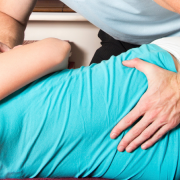
is chiropractic safe

We Answer The Question: Is Chiropractor Safe?

We know they’re highly trained and qualified. We know they can effectively treat a wide range of musculoskeletal and nervous system disorders including lower back pain, neck pain, headache and much more, without surgery or drugs. But a genuine question we still hear a lot is: “Are chiropractors safe?”

Many experienced chiropractors may find it a fairly frustrating question, but at the end of the day, it’s also quite understandable, too. After all, an operation under anaesthesia or a pill in your mouth can fly under the radar – but it’s often that audible “crack” or “pop” of certain spinal manipulations that chiropractors are perhaps best known for.

And if you’ve been to a chiro before, you already know what the game is: bare, firm hands working those muscles, bones and joints with often sharp, stretching or thrusting movements. So there’s obviously some level of risk there, and it’s perfectly normal to find some of the manipulations uncomfortable or even temporarily painful. That’s why we’re going to take a serious look at a perfectly reasonable question to ask:

“Is chiropractic safe?”

The first thing to observe is that it all depends on your definition of ‘safe’. After all, simply putting your bare feet on the ground after a night in bed might be risky for some – let alone some of the next things you do in a day, like drive a car.

But when stacked up against the other health, medical and wellbeing-related treatments, procedures and therapies out there, considering a chiropractor safe is a very safe bet. And that’s especially if you know for sure that they’re fully qualified, registered and – as an added bonus – experienced.

At LRCC we see hundreds of patients every month without indecent. That said, many people will report some mild side effects after a chiropractic session that almost always fade away after a day or two, such as:

  • Aches/pains
  • Stiffness
  • Tiredness.

In terms of incidents of serious adverse events from chiropractic treatments, the stats show it’s extremely rare. According to the Chiropractic Association of Victoria (CAA), “There have been few if any serious adverse events reported in medical literature in the past twenty years”.  In fact, less than more mainstream alternatives to seeing a chiropractor – even if it’s just basic anti-inflammatory drugs for lower back pain.

You can also be confident that your chiro will ask and know a great deal about your medical history and any existing problems you bring to the table – and then use the legendary feel of those highly-trained and practiced hands to understand just what your body can take and what it cannot. A good chiropractor will therefore be constantly monitoring and double-checking for what they call ‘red flags’ that narrow the range of potential treatments.

These include:

  • Bone fragility (such as osteoporosis & tumours)
  • Joint fragility/instability/infection
  • Certain neurological disorders
  • Inflammatory conditions (such as arthritis)
  • Bleeding disorders.

But even if a ‘red flag’ is identified, the chiropractor may simply narrow their range of potential interventions, or deepen their investigation as to what will be perfectly safe for your particular body. That’s because even people with very serious conditions may still be able to very capably tolerate lower-amplitude manipulations, especially in the soft tissues. The key, for the very best chiropractors, is to constantly monitor and adapt in a truly personalised way to ensure the benefits of treatment are never outweighed by the potential downsides.

And if some of the more “crack” or “pop”-worthy treatments are ruled out, there’s also plenty of other techniques and strategies a chiro will take for a truly multimodal approach. There’s:

Often, chiropractors will consult directly with referring or ongoing doctors and specialists so that everyone is on the same page about what’s best for one person and one person alone: You. That’s because the objective is never to take an unreasonable risk but to reduce or eliminate symptoms and pain and enhance rather than endanger your quality of life. Better still, chiropractic science continues to evolve and improve with every passing day, making it easily one of the safest and most effective appointments you’ll ever attend.

Book in for safe, effective treatment at LRCC

At Longueville Road Chiropractic Centre, we are offering the safest, healthiest and most effective Sydney chiropractic care you can find anywhere in Sydney’s North Shore and beyond. We think your life should be pain-free and you should be doing all the things you love, so for a truly holistic, individualised and genuinely caring approach, reach out to the friendly team at LRCC today.

shin pain

Shin Pain or Shin Splints – Cause and Correction

A frequent complaint in runners is shin pain or shin splints, with the most common condition known as Medial Tibial Stress Syndrome (MTSS) making up 16% of all running injuries. It certainly isn’t comfortable, with pain on the inside of leg, often bilateral, and tender on the touch covering an area greater than 5cm.

Plyometric type activities like running and jumping are usually the aggravating factors. Pain can sometimes appear initially at a workout, disappear as warming up and return on post-exercise. It is a condition that can increase in severity with pain remaining during exercise and continuing for days.

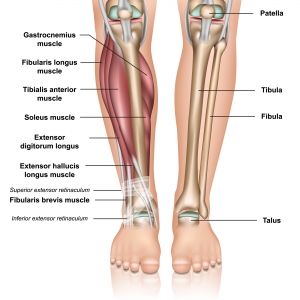
It is often thought that one of the main causes is due to the soleus muscle pulling on the tibial bone, causing periosteal (the membrane that covers the outer surface of the bone) irritation as well as underlying bone irritation from increase loading.

Other Causes of Pain and Locations

There are numerous causes of lower leg pain and it is important to differentiate between them. A very focal pain could potentially be a stress fracture. Stress fractures often tend to be worse with activity and won’t warm up like the early stages of MTSS.

Pain directly at the front of the leg (anterior) could be anterior compartment syndrome or a tibial stress fracture.

Posterior calf pain or pain at the back of the calf area, a condition called Deep Posterior Compartment Syndrome is to be considered. This often presents as more cramping /burning type pain and is likely to send pain and/or pins and needles into the foot.

MTSS is quite localised, so if there is any altered sensations or pain in the foot area, then it could be posterior compartment syndrome, nerve issues more proximal, for example from the lumbar (low back) spine, distal neuropathies for example diabetes, or vascular involvement in the leg. A simple ruling out for functional foot problem is also important as there are many bones in the feet. Flat feet or very high arches can cause a mechanical issue within the movement patterns of the foot during any gait activity and can also lead to pain and/or discomfort in the feet, not always bilaterally.

Just to add to diagnostic confusion, in a study in 2017, 32% of those with MTSS had co-existing pathologies (e.g. anterior tibial stress reaction or muscle pain, calf pain).

what is shin pain

Management

Multifactorial causes must be acknowledged for all running injuries including structural, genetic, running mechanics, training loads and tissue qualities including strength and mobility.

Modifying the training load so as not to exceed 4-5/10 regarding pain markers is required. Above this pain score, then cross-training type exercises should be considered.

The biggest strain on the tibial bone is muscle contraction which is greater in running uphill so best avoided in MTSS. Step rate (cadence) increase as well as step width increase are wise to employ as well as trying to reduce impact loading. Visualise running on hot coals (running quietly) instead of stomping like an elephant!

Calf muscle strength is a very important consideration as studies have found that those with MTSS had weaker calves following a single leg raise to fatigue test.

Corrective Procedures

Calf strengthening procedures are best with single leg weighted calf raises adding weights incrementally to keep repetitions under 12. Calf strengthening is important for MTSS to assist in greater absorption of impactful forces as well as strengthening to improve tibial bone strength.

Plyometric exercises (jumping, hopping, skipping) are another great way to improve calf and tibial bone strength. It is important that the strength of the of other leg muscles and hips and pelvis be assessed for any weaknesses and corrected.

Manual therapy could be useful such as Chiropractic Adjustments to the foot bones, tibia, fibula, femur and pelvis bones to address any biomechanical joint dysfunctions and massage and trigger point therapy or dry needling to overly contracted muscles.

Assessing and correcting dysfunctions in the whole kinetic chain is important to remove any contributing factors.

In some cases, foot orthotics might be required, also a change in footwear could be the answer. A compression sleeve or sock can benefit some people.

The duration of MTSS can be quite long with some studies suggesting it can take up to 3 months to run at a moderate intensity with minimal pain, however, it is our experience that if detected early with the application of early treatment protocols, this time can be shortened.

For a free biomechanical foot scan, please contact our Sydney chiropractic clinic for an appointment. It can be the first step to correction!

shin pain treatment

vagus nerve to relieve stress

The Vagus Nerve – Is This The Answer To Pandemic Exhaustion And Blues?

Pandemic Stress comes in different forms for many people including some great financial stress, and fear of the unknown. For others with secure work, the pressures of jumping in and out of zooms and greater work demands I have witnessed for many. Managing children and home-schooling, keeping the house running, being separated from loved ones and hearing depressing media announcements can take a toll. Holidays are long overdue, and people are exhausted. But what happens when tiredness turns into exhaustion which does not seem to resolve no matter how much rest you have?

We have 12 cranial nerves which connect the brain to the rest of our body and are vitally important to communicate sensory information such as smells, all sensations and sight to the brain. They are also important in sending messages for motor control such as the movement of muscles and the functioning of different glands. The vagus nerve, number 10 of 12, is the longest cranial nerve that extends all the way to the colon, the “super highway” connecting many organs and coordinating information between them. Heart, lungs, throat, taste sensation behind the tongue, movement of muscles that aid in swallowing and talking, movement of the digestive tract, gut-brain axis communication, coordinating the production and release of certain neurotransmitters (mood) and hormones plus it is the primary control of the parasympathetic nervous system.

The Big Reveal!

The rest and digest mode the vagus nerve provides with stimulation is crucially important to our general wellbeing

  • The slowing of heart rate
  • Decreasing blood pressure
  • Slowing breathing
  • Increasing digestion

The vagus nerve is negatively impacted by stress, including emotional and physical trauma, bacterial and/or viral infections and it loves social connection, which we have all sadly missed. The good news is that the latest research suggests we can easily tap into the vagus by transcutaneous stimulation- being able to calm the body and even help with issues of constipation, irritable bowel syndrome and dyspepsia due to the digestive tract association as well as symptoms such as anxiety and depression.

Other methods to stimulate our vagus are by diaphragmatic breathing, cold water emersion and even singing or humming. It is also about reducing our cortisol levels, or stress response which includes finding moments to find calm in our lives and having a slow breakfast instead of racing to do something.  Long distance vision is also important- looking around instead of spending hours focused on a screen even doing some yoga if that’s your thing.

Transcutaneous Auricular Vagus Nerve Stimulation

Currently, there are already implantable devices approved for depression and epilepsy. Non-surgical devices have been approved in Europe for epilepsy, depression and pain and approval has also been given in America for the treatment of cluster headaches. The method is called Transcutaneous Auricular (ear) Vagus Nerve Stimulation. The vagus nerve is stimulated by placing TENS machine clips on specific points on the ear. It is a gentle tapping sensation utilised for 10-30 minutes.

TENS treatment for vagus nerve stimulation

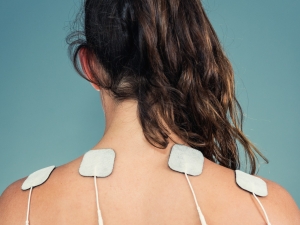
TENS treatment in physical therapy – electrodes placed onto patient’s shoulders. Ear attachement is not demonstrated in this photo

Chronic Fatigue Syndrome

There appear to be connections with Chronic Fatigue Syndrome and the vagus nerve. Organs can potentially be harbouring a latent form of certain viruses such as Herpes, Epstein Barr and Cytomegaly viruses. When viruses are reactivated, our body launches an attack to disarm them requiring glial cells that are designed to protect the vagus nerve. The response is a feeling of being under the weather such as tiredness, feeling wiped out, achy and struggling to concentrate often complicated by sleep disturbance. All of this can lead to the invisible Chronic Fatigue Syndrome (CFS).  Officially there are nine signs and symptoms of CFS which are:

  • Fatigue
  • Loss of memory or concentration
  • Sore throat
  • Enlarged lymph nodes in the neck or armpit
  • Unexplained muscle pain
  • Headaches of a new type including patterns and severity
  • Pain that moves around to different joints without swelling or redness
  • Unrefreshing sleep
  • Extreme exhaustion lasting more than 24 hours after physical or mental exercise

There are other potential triggers for CFS that your doctor might need to identity including hormonal issues, an overload of environmental toxins such as mould and poor immune system response. To fight off an underlying infection, your immune system needs to be firing on all cylinders.

It is always important to remove inflammation from your body and support your immunity wherever you can which always includes a good diet and exercise.

The information in this article is not intended to diagnose, treat, cure, or prevent any disease state or medical condition. This is not intended to replace any recommendations by or relationship with your doctor.

Are Chiropractors Doctors

Are Chiropractors Doctors? We Have The Answer

It’s a question we get a lot: ‘Are chiropractors doctors?’ If you’ve been treated by a chiro before, you may well have called them doctor – and they may well have called themselves doctor, too. So what’s the deal? Are chiropractors called doctors or not? We take a deep dive to find the answer:

Do you call a chiropractor a doctor?

Almost exactly ten years ago, the Chiropractic Board of Australia tweaked the system so that practitioners in NSW do indeed go by the title ‘Dr’. But at the very same time, a debate was raging in the professional medical community over whether chiropractors – and other ‘doctors’ like podiatrists – can legitimately use the ‘Dr’ title after all.

So is a chiropractor a Dr … really?

First, it’s important to recognise that ‘doctor’ is a broad term that is not just reserved for your GP. Indeed, chiropractors in Australia rightfully get their right to the ‘Dr’ title via their professional body – just like other health care professionals including medical doctors who also use that title.

The important thing for all health professionals is that they do not mislead their patients or the public. They do this by not engaging in any protectionist debate about who the ‘real’ doctors are, but simply by being fully transparent about what their specific role and qualifications are.

That’s why you may see a title advertised as something like “Dr Jane Doe (Chiropractor)”.

The ‘Dr’ title also comes with some crucial responsibilities, as chiropractors – like medical doctors and surgeons – are subject to certain rigorous and standard testing procedures, licensing, and ongoing monitoring by peer-reviewed boards.

For chiropractors, their professional registration body is the Australian Health Practitioner Regulation Agency (AHPRA) – the very same body that handles registration for other well-known health professionals like GPs, dentists and more.

What qualifications does a chiropractor have?

Chiropractors work hard for their title over the course of at least five years of education at university (Bachelor’s degree plus Master’s degree). But their deep knowledge of your bones, muscles, joints, and the health conditions related to musculoskeletal problems, is much more than just theoretical. By the time of their graduation, your ‘Dr Chiro’ will already have treated hundreds and hundreds of patients – under the guidance of already-registered chiropractors – to accumulate the hands-on skills required.

In that way, the road to becoming a chiropractor is very similar to becoming any other doctor, giving them arguably as deep a knowledge of most aspects of human medicine including:

  • Anatomy
  • Physiology
  • Cell biology
  • Pathophysiology
  • Neuroanatomy
  • Chemistry/biochemistry
  • Immunology
  • Physical examination/diagnostic skills
  • Physical therapies/rehabilitation.

And where a generic medical doctor is trained in diagnosing and treating various bodily disorders and diseases, they’re less qualified, skilled and experienced in the sorts of specialised ‘hands on’ and manual therapies mastered by a chiropractic doctor. The chiro therefore will typically have a much deeper understanding of the musculoskeletal system, including how to treat lower back pain, headaches or neck pain, sporting injuries and much more. They are distinct from medical doctors in terms of prescribing medication or carrying out surgical procedures.

LRCC’s ‘doctors’ can’t wait to see you!

So while a chiropractor is not a GP, the same is true in reverse – but they are both ‘Dr’. And the Sydney chiropractors at Longueville Road Chiropractic Centre (LRCC) are widely regarded as some of the most reliable and effective in safely treating many spine-related conditions for a drug and surgery-free way to improve your life.

Need an appointment? You can fill out the forms online, so please feel free – our ‘doctors’ can’t wait to see you!

How to Boost Your Immune System

Evidence Based Research On How To Boost Your Immune System

There are many great supplements and foods to help support your immune system. We are certainly in interesting times now and with varying symptoms associated with this pandemic virus, it would be important to consider a variety of care. Why can this virus have so many symptoms you might be wondering? It’s all due to angiotensin-converting enzyme 2 or ACE2 receptor. This protein provides an entry point for the virus to infect cells, like a key to a lock. ACE2 receptors are found in many tissues including the lungs, heart, blood vessels, kidneys, liver and gastrointestinal tract and due to this, the body can suffer in many ways.

What is ACE2?

ACE2 helps modulate many activities of a protein called angiotensin 2 (ANG 2) that increases blood pressure and inflammation. This can damage blood vessel linings and cause various tissue injuries. When the virus binds to the receptor sites, it prevents the conversion of ANG2 to other molecules that are protective. ACE2 on our cells can vary in quantity from person to person with some evidence suggesting that they might be higher in people with diabetes, hypertension and coronary heart disease.  With less ACE2 available due to viral occupation, it could potentially contribute to more ANG 2 mediated injury.

What can you do to help yourself?

To help strengthen the immune system, it could be beneficial to combine a broad range of supplementation/foods including anti-inflammatory, anti-coagulant, anti-microbial and antioxidants. 70% – 80% of your immunity is derived from the gut so consider improving your immune system by providing your body with the powerful tool of good nutrition to give it a good fight to stay and feel well. It has been reported that the more the body is inflamed (co-morbidities), the sicker it can get with this virus, and it seems that sugar seems to be one of our greatest issues in our society. A recent publication in a technology paper states that data mining has searched through 400,000 scholarly articles on the pandemic finding the increase in risk of respiratory infections in those with high glucose levels. In this population study, both high and low pre-infection levels were associated with increased risk of COVID infection.  To “starve a fever” is something we’ve heard of before. We could benefit here in reducing sugars (carbohydrates) including alcohol ( often full of sugar) by intermittent fasting or considering a higher protein diet, the caveat however is not to eat an excessive amount of red meat and dairy.

Balancing the omega pathways are important as some are inflammatory, and some are anti-inflammatory. One area of significant importance is an excess involving Omega 6. This pathway of Arachidonic Acid, found in high quantities in red meat, dairy, shellfish, and squid mediates an enzyme called COX2 that causes an increase in Prostaglandins 2 (inflammatory) leading to an increase in thromboxane. Thromboxane causes blood clotting and constriction of blood vessels.  Red meat and a lot of dairy can therefore drive thromboxane and sugar drives another enzyme called delta-5-desturase that increases prostaglandin 2 as well and therefore thromboxane.

Here is a list of immune boosting ingredients you can incorporate into your diet to help maintain or improve health.

Vitamin C

Taking vitamin C for a cold is probably not a new concept to you. It’s a personal bodyguard, protecting cells and assisting healing. As it is required for your adrenal glands, the more stressed you are, the more your body chews it up which is potentially why someone with significant stress will tend to become unwell a little easier. It works hard in the liver, protecting DNA. It also helps your body make collagen, to keep you looking younger. It exerts effects in both the innate and adaptive immune system. A potent antioxidant, its action as a cofactor in numerous enzyme functions plays a key role in immune modulating effects including microbial killing, neutrophil migration and oxidant generation.

A good squeeze of lemon juice in lukewarm water first thing in the morning, not only gives you a dose of Vitamin C, but also helps alkalinize the body.

Ginger

Ginger is an effective antibacterial and antiviral. It is also a helpful antiparasitic and antifungal. In other words, it is great at helping get rid of quite a few nasties that can create havoc in the body. There even has been some evidence for helping heal stomach ulcers. The good news with ginger is that it inhibits the prostaglandins 2 conversion to thromboxane. Turmeric, fish oils and aspirin as you probably know well are beneficial here too.

Turmeric

The incredibly safe turmeric has over 10,000 peer reviewed articles of its benefits, it is therefore no wonder that it is the most frequently mentioned medicinal herb in science. One of the types of chemical compounds found in turmeric are curcuminoids. It is considered one of the most effective anti-inflammatories in the world. As inflammation is the cause of most diseases, reducing inflammation in the body is of paramount importance. Studies have also found turmeric useful for depression, blood clot prevention, cancer treatment, pain, Type2 diabetes and multiple skin conditions. For skin conditions, it could help speed up wound healing, calm the pores and decrease acne and acne scarring. Turmeric also binds to cadmium and lead and can be therefore useful in body detoxification.

Zinc and Quercetin

Zinc is highly important for immunity, so high in fact that a Melbourne hospital is doing a study on a COVID ward, using intravenous zinc. It appears that zinc has been found to be very low in the very ill. Zinc is anti-microbial, and it helps absorb Vitamin D. Zinc is also important in activating an enzyme that removes toxins. Quercetin is a bioflavonoid and zinc ionophore, which means it helps carry zinc into the cell thereby enhancing the bodies availability to use zinc (bioavailability).

Vitamin D

80% of how you absorb Vitamin D is due to genetics and deficiency is particularly common. Vitamin D inhibits inflammation, fights infection and is an immunomodulator hormone and according to this study, Vitamin D can prevent COVID-19infection-induced multiple organ damage due to its ability to increase ACE2 and decrease ANG 2.

Medicinal Mushrooms

From fighting cancer to managing stress, medicinal mushrooms are making headlines. Due to “Fantastic Fungi” on Netflix, many companies stocking these heavily dosed healing compounds have sold out. Supporting immunity, brain health, stress and the cardiovascular system as well as athletic performance and stamina, what is not to love. For a great summary on all the benefit, search here.

Capsulated or powder forms can be found. A dash of powder in the morning coffee can work well. Examples of medicinal mushrooms are Turkey Tail, Shitake, Cordyceps, Reishi and Lions Mane.

Glutathione

Glutathione is the main antioxidant for the brain, it cleans up toxins, helps produce, protect and repair DNA and high amounts are found in the liver. It recycles vitamins A and C and amplifies other supportive nutrients. This study supports that low glutathione levels were found in the sick. It is the principal nutrient that helps the liver deal with chemicals, including drugs. Foods containing glutathione are anything sulphur containing such as garlic, avocado, broccoli, cauliflower, cabbage, brussels sprouts, beetroot, parsley, grapefruit and spinach. This research paper concluded that a decrease in glutathione is a risk factor for chronic diseases.

Vitamin A

Vitamin A is essential in protecting epithelium and mucous membrane integrity in the body, highly important in the respiratory system. It has a critical role in enhancing immune function. Cellular differentiation, maturity and immunity all require Vitamin A. It’s great for the skin and eye health, reproduction and fertility, healthy bones and wound healing. Deficiency can be present with long term fat malabsorption, gut problems, gall bladder and pancreatic issues and autoimmune conditions.

It would remiss not to include Vitamin E here. Vitamin E relies on glutathione, selenium and active B3 to be recycled. It is a strong antioxidant and is important for tissue repair, helping stabilize cell membranes. It also supports the role of Vitamin D in the body, improves blood flow and reduces cholesterol.

COQ10 is highly heart protective, the active form being called Ubiquinol, used best in conjunction with selenium. It also regenerates other antioxidants, stimulates cell growth and inhibits cell death.

A few herbs deserve a mention including pomegranate, clove and barberry ( available form Persian supermarkets). A lot of herbs have antimicrobial and anti-parasitic benefits and their introduction into the diet can be highly beneficial.

A good balanced diet is therefore the key to support immunity including eating more vegetables of course. No new news there. Limit alcohol intake and of course exercise, as exercise has a significant impact on the health of the cardiovascular system. Reducing stress wherever you can is so important and difficult in these times, so please seek help if required. Long term stress suppresses innate and adaptive immune responses. Contact your health care provider for more information or seek help if you have symptoms as the faster you receive care, the better the outcomes. The more you can reduce inflammation in your body, the stronger it will be.


Joint hypermobility syndrome

Hypermobility Syndrome – Joint Pain, Back Pain and Gut Issues

Some of us are born flexible and some of us are not. Collagen fibres, found throughout the body in the hair, skin and ligaments are the glue that holds us together and in a few of us, there are small changes in the chemical processes that can result in weakened collagen fibres and more elasticity in the ligaments that hold joints together. A hypermobile joint is one whose range of movement exceeds the norm for an individual. The maximal range of movement that a joint is capable of is determined by the tightness of the “holding” ligaments. Hypermobility is not just limited to joints. Increased mobility issues can cause joint pain, back pain and even gut issues due to this connective tissue becoming too stretchy.

There appears to be enough evidence to support that hypermobility can be an inherited condition and is quite common particularly in children and young people. There are some estimates that suggest one in every five people may have joint hypermobility.


Other Hypermobility Syndrome Symptoms

Is it always a problem? No, there are a few people with hypermobile joints that do not have any problems but when they do, symptoms can often include digestive problems. Stretchiness can also involve the colon so constipation or irritable bowel syndrome can be a finding. Pain and stiffness in joints and muscles, clicking joints, fatigue, recurrent injuries such as ankle sprains, thin and stretchy skin, easy joint dislocations, and dizziness and fainting can be other symptoms of hypermobility.


Hypermobility Syndrome Treatments

Joint Hypermobility Syndrome (JHS) is a term used when a few of these symptoms exist. People with JHS benefit greatly from a combination of controlled exercise, preferably Pilates based strengthening and Chiropractic and other therapies. Joints can become stiffer with age; however, joint hypermobility syndrome and associated symptoms can continue into adult life. It is even possible to have some joints that easily lock up in a hypermobile person surrounded by other joints that are moving excessively. Improving the joint movement and strengthening around the skeletal structure is always a priority for greater joint stability, helping in “holding together” the body. It is important to note that good joint movement is paramount in providing proprioception- a neural acknowledgement to where the joint is in space via feedback mechanisms to the brain. Good joint movement prevents the cycle of repeated injury from compensatory changes and is therefore fundamental in recovery. We have seen many ankle sprains with a locked talar joint (the ankle bone) that will continue to provide pain and foot gait dysfunction if it is not gently manipulated. Gait dysfunction can lead to knee and hip problems leading to other pain syndromes.

When we talk about hypermobility, many would not think of the gut connective tissue. It can be however a common symptom in hypermobility syndrome.  Supporting the gastrointestinal tract and the production of collagen/ connective tissue production within the body would be an important strategy to help. Glucosamine and Chondroitin is an evidence-based supplement for joint stiffness and pain that could be included in the treatment of JHS. The Cusack Protocol has been used by some which is a protocol of nutritional supplements to supposedly support the development of connective tissue, and can include polysaccharides such as aloe vera, certain mushrooms and a probiotic amongst others. Many people are taking collagen powder for rejuvenation purposes and faster joint healing following injury and could be included to help support hypermobile body types.


Hypermobility Scoring/Testing

A popular screening check for joint hypermobility syndrome is Beightons Score.  It does have some short comings as it only samples a small number of joints, potentially overlooking many joints that could be hypermobile. It also excludes other possible involved systems for example the gut and its connective tissue.


Joint hypermobility syndrome


Types of Hypermobility Syndrome

Age, sex and ethnicity can play a part with maximal joint elasticity at birth. Women and non- westerners have a higher percentage where fewer than five joints involved is also more common.

Common hypermobility as seen in dancers and gymnasts could be a form of non-pathological polymorphisms (small variations in extracellular genes of collagens, elastin, fibrils) or through acquired hypermobility (pure hard work!). By acquiring the desired mobility, their normal tissues protect them against injury.  Acquired diseases such as hyperparathyroidism, chronic alcoholism and rheumatic fever can cause increased mobility. Other forms of hypermobility can genetically involve the proteins and be more a pathological form of hypermobility called Ehlers Danlos Syndrome (EDS). Certain forms of EDS can affect the connective tissue of the blood vessel walls.


Protect Your Body

Most forms of hypermobility can often be managed quite effectively. Exercise should generally incorporate a lot of core strengthening involving muscles that surround the spine and hips. Joints can commonly get “locked up” within a hypermobile body and require gentle manipulation to allow for overall good loading, good joint mechanics and proprioception. Supplementation could be beneficial to support the production of collagen and to support joint integrity.

My story- many years ago, I was assessed by a podiatrist after noticing that my shoes wore unevenly at an alarming rate, and I was starting to experience knee pain. He said to me that there are three kinds of feet- Rigid, Normal and Hypermobile. He described me as beyond hypermobile but as “Ragdoll,”…I was walking on pancake feet. I have been in orthotics ever since and my children have been in them since they could walk having sadly inheriting my ragdoll feet.  I was sent home from school numerous times as a child with terrible stomach aches. I later discovered that it was simply the tight elastic around my tummy.  Anything tight now still causes me issues.

I am now in my 50’s and I can still get my foot in my mouth. In the Yoga lotus position, my knees collapse to the floor. Not all of me is flexible. My body does need holding together and can fall apart quite easily. I have responded really well to gentle Chiropractic manipulation and find it very relieving, and the Pilates based exercises have helped me be able to participate in other sports. It is like many things that need to be managed long term. I was delighted when low rise pants came into fashion 15 years ago and was not delighted when fashion then turned to the high waist.! So, I’ll be the 80-year-old trundling along with orthotics in my shoes and a muffin top – fashion keeps repeating though so I reckon I might be on trend by then 😊

Senior man is suffering from pain in lower back

Spinal Complaints In The Older Generation

Are you over 65? If yes, then you make up 1 in 7 of the population and you contribute to 9% of the total disability for musculoskeletal conditions! – Disease and disability increases with age and research into this area are significantly important due to the debilitation that it can present.

Study – Spinal Pain in older women and associated Comorbidities

A study involving 579 older community dwelling women with spinal pain found that they had significantly lower mental and physical quality of life scores as well as associated obesity (or were found to be overweight), increased evidence of diabetes, pulmonary comorbidity and cardiovascular comorbidity. Comorbidities were significantly more common in women with spinal pain that in women without spinal pain. It also found that an increase in comorbidities increased the chance of experiencing spinal pain.

Study – Rehabilitation or Spinal Manipulation – Does is Help Older Adults’ with Back Pain?

This study involved 230 individuals over 65 with subacute lower back pain. They had supervised rehabilitation or spinal manipulative therapy (SMT) treatment over a 12 week period with self reported outcome measures of pain severity, back disability, health status, medication use, satisfaction and care and global improvement at weeks 4, 12, 26 and 1 year. The 3 groups were: home exercise: home exercise and SMT: SMT, home exercise and supervised rehabilitation. Pain severity was reduced by 30-40% with the largest difference favouring SMT and home exercise over home exercise alone. The two groups were significantly superior to home exercise alone with satisfaction of care.

Study – Short term and Long term Treatment Chiropractic for neck and low back pain – which is better?

This study involved two groups of 12 weeks of care versus 36 weeks of care for back and neck related disability in older adults.

Both the short term and long term groups reported significant improvements in back disability and the long term management group experienced self -reported greater improvement in neck pain, functional ability and balance at week 36. These findings may be important for healthy aging and spinal care in the elderly and warrant further investigation.

Other Studies

A Nordic Study – Maintenance Spinal Care as Key to Prevention of Low Back Pain

“It has been found that for individuals with recurrent or persistent non-specific low back pain (LBP), exercise and exercise combined with education have been shown to be effective in preventing new episodes or in reducing the impact of the condition. Chiropractors have traditionally used Maintenance Care (MC), as secondary (aiming to reduce the impact of a condition (LBP) that has already manifested) and tertiary prevention strategies (aiming to reduce the impact of persistent or chronic LBP). This is usually done by helping people manage long-term, often complex pain conditions in order to improve their quality of life and ability to function. The aim of this trial was to investigate the effectiveness of MC on pain trajectories for patients with recurrent or persistent LBP”.

Maintenance care is similar to servicing a car or visiting a dentist for teeth cleaning, even though you brush your teeth regularly. The main hypothesis for spinal maintenance care is that treatment may improve biomechanical and neuromuscular function thereby reducing the risk of relapse into pain. This study was actually done on 328 people between the ages of 16-65 years.

The definition of maintenance care is “…a regimen designed to provide for the patient’s continued well-being or for maintaining the optimum state of health while minimizing recurrences of the clinical statue” and “…treatment, either scheduled or elective, which occurred after optimum recorded benefit was reached, provided there was not evidence or relapse”

Hyperkyphotic posture (Dowagers Hump posture) predicts Mortality in Older Community-Dwelling Men and Women

An increase in the thoracic (mid back curve of the spine) has associated risk factors of vertebral fractures, degenerative disc disease, muscle weakness, decreased mobility and according to this study of 1353 individuals, an increase in mortality. Hyperkyphosis was specifically associated with an increased rate of death due to atherosclerosis concluding that men and women with hyperkyphotic posture have higher mortality rates.

Some case reports suggest that myofascial, spinal, and scapular mobilization techniques improve postural alignment in patients with hyperkyphosis. Physical therapists reported reduced hyphosis after soft tissue myofascial, neurodevelopmental, spinal, and scapular mobilization, and active therapeutic movement techniques.

Why not consider a Chiropractor

Our Sydney chiropractors have a special interest in posture correction and are here to help. Our care is gentle and effective care is possible for many. Exercise alone is often not enough for pain reduction, improving function and movement patterns. Even for old or chronic injuries, improvement in functionality and pain scales can still be possible, We have found that our gentle care, with exercise prescription and combined with the application of low-level laser therapy can really make a difference.


Rotator Cuff Injuries

Why Does My Shoulder Hurt? Rotator Cuff Injuries Explained

A pain in the shoulder region is a common musculoskeletal condition. When it is of no specific cause, it is often given the general diagnostic term of rotator cuff related shoulder pain (RCRSP). Simply, it is an umbrella term that can encompass a spectrum of shoulder conditions including tendinopathies, impingement syndromes and rotator cuff muscles tears.

RCRSP are the most common forms of should pain, often presenting with pain and weakness, particularly on shoulder elevation and external rotation (turning the hand to an outwards direction).

Most often, pain is precipitated by an event that has involved an excess or incorrect load. Many factors can also contribute including genetics, co-morbidities, lifestyle factors, central nervous system disturbances, psychosocial and even biochemical factors.

The difficulty with assessing the shoulder lies in the fact that the tendons of the rotator cuff sling create an intimate relationship with the surrounding capsule, ligament and bursal tissue. Due to this fact, the possibility of individually assessing each muscle/tendon complex in isolation through orthopaedic testing is not 100% accurate. A comprehensive clinical interview and examination is still however very important in providing a working hypothesis.

Rotator cuff injury Treatment & Exercise

How Do I Get Better – the evidence

There is strong evidence for the benefits of multiple forms of exercise as the most important management strategy. Included are such things as shoulder blade stability, strengthening of the rotator cuff muscles and shoulder flexibility. There is moderate to high level of evidence for the combination of manual therapy with exercise.

There appears to be limited benefits in corticosteroid injections for rotator cuff injuries, potentially only for short term benefits for some and the evidence for medium or long term use is unclear.

PRP or Platelet-rich plasma is also another form of injectable therapy however researchers concluded it had negligible to only a small degree of success. These findings are not surprising as it is well documented that pain is often poorly correlated with tissue pathology. A lot more research into surgical repair is required including methodology improvements and placebo controls as at present there is not a great support for a non-conservative procedure.

Manual Therapy for rotator cuff injury – from our Sydney chiropractic clinic experience alone, we have found that many shoulder injuries come from the sustained loading of the shoulder muscles due to poor postural control. Compression at the collar bond joint through rounded shoulders is common. The shoulder blades essentially drift outwards away from the thoracic spine causing the muscles under the shoulder blade to overload as well as all the important sling muscles of the shoulder joint. Micro-tears can then become a common feature. Also, through poor postural control, restrictions in the thoracic spine are common. In some cases, the nerve supply to these important muscles can then become compromised and a lack of ‘firing’ is possible causing significant weakness. Manual therapy and specific muscle retraining exercises are then often required. Postural control exercises are therefore very important to implement regularly, Taping is a useful technique for support, relief as well as acting as a reminder.

Immerging Therapy For Rotator Cuff Injury

We have found that low level laser (LLLT) for healing is helpful. More research is required in this immerging field. The theory behind implementing low level laser is that it stimulates energy within the cell. When energy is increased, healing can fasten. One of the most commonly damaged muscles is called the supraspinatus. In many people, the blood supply to this muscle is very poor and it needs all the help it can get for recovery. With the use of the photohaemotherapy application (increasing the blood supply) in LLLT to this muscle this procedure could be potentially significant in the recovery.

In summary, for many people shoulder pain can come on suddenly from what can appear an insignificant event. Consider your posture and consider a Chiropractor for shoulder pain to improve neuromuscular control.

patellofemoral pain syndrome runners knee

Running & Patellofemoral Pain Syndrome

Patellofemoral Pain Syndrome (PFP), pain at or near the knee cap, is traditionally known as movie-goers knee or patella tracking disorder. It actually accounts for almost 50% of all running injuries and is usually a poorly localised pain found around, near or under the knee cap. It has a greater predilection in females and is often aggravated by running hills, descending stairs, lunging, squatting or sitting for prolonged periods. Read more

knee osteoarthritis treatment sydney

Managing Knee Osteoarthritis

Knee Osteoarthritis (KOA) is both a prevalent and challenging condition to treat, commonly been seen as a structural problem with only surgery as the solution.

A recently published PubMed article is titled “Arthroscopic surgery for knee osteoarthritis? Just say No” -offering these suggestions below as an alternative.

Using analgesia – However, it does discuss gastric toxicity.

Nonpharmacological therapy – stating “physical therapy and regular exercise typically reduce pain and improve function of an arthritic knee. Acupuncture may have a small benefit as well.”

Consider a combination of glucosamine and chondroitin – The two combined may provide some relief associated with moderate to severe knee osteoarthritis.

If you are interested in this article, please visit and you can follow the reference points.

One suggestion this article fails to mention is Low Level Laser Therapy (LLLT) or Photobiomodulation for pain relief. Published articles of the benefits of LLLT have been available for at least the last 8 years, around the length of time we first received our Low Level Laser unit to our Lane Cove Chiropractic Centre.

Alignment is the Key

As Chiropractors, we understand this paragraph perfectly and couldn’t have said it better so..

“The human body is a complex mechanical unit composed of many joints held together by muscles, tendons and cartilages which also allow articulation. Gravitational forces must be balanced at all times at each link.

The line of gravity, one of the body’s most important factors as described by Harada, passes through the outer ear-opening and intersects the center of gravity of the human body (located adjacent to the sacrum) and the center of the knee joint.

The understanding of the function of the locomotive apparatus in the upright position and the dynamics of the body is one of the most important factors, so that the gravitational torque has a tendency to extend the knee joints in our daily life”

Here is the article in full for you with the conclusion that low level laser therapy can provide pain relief. One study in 2014 on rat knees showed prevention of degradation of cartilage with LLLT. More studies of course need to be done, but this is promising information. This particular article states “LLLT stimulated cellular activity of cartilage repair and collagen synthesis, accelerating the breakdown of cartilage destroyed by collagenase and stimulating the fibroblast to synthesize repairing collagen III”

In summary, it is saying growth and repair of cartilage! Further information on Low Level Laser Therapy is found below.

For non-traumatic causes of knee pain, we especially like to look for the cause and not purely treat just the symptoms. Non-traumatic knee pain simply means that pain that has not been caused from a direct trauma to the knee itself. Many football playing injuries or skiing injuries for example can have a direct trauma cause of KOA. The majority of knee osteoarthritis cases we have seen however have been the non-traumatic type and respond to a thorough investigation as well as addressing potential foot function issues, hip and pelvic alignment and muscle weakness (particularly the gluteal muscles). Remember, the foot bone is connected to the thigh bone, which is connected to the hip bone! The knee is the middle joint and is thereby subjected to altered functionality if the foot and the pelvis have any distorted movement patterns as mentioned in the above PubMed paragraph. Our in house Foot Leveller orthotics are actually called “Pelvic Stabilisers” for good reason!

Further Knee Osteoarthritis Treatments

Hyaluronic acid appears superior to corticosteroid injections with beneficial effects on pain and function. Published results cause consideration of this with the low-quality evidence supporting corticosteroid injections.

Platelet-Rich-Plasma (PRP) currently appears to be beneficial and superior to placebo and Hyaluronic Acid both in function and pain.

Glucosamine and Chondroitin maybe beneficial and appears more efficacious that paracetamol.

Exercise has high quality evidence supporting this treatment for decreasing pain, improving functionality and the quality of life. Certainly, it is important to have the correct Knee Osteoarthritis exercises given particularly with examination of all associated muscle systems including those associated with hip stabilisation.

Knee Replacement. Let’s face it, sometimes things are beyond repair, however conservative treatment would always be the first recommendation to try.

On a final note, Look to the cause to help create the solution. And remember, when one part of the body is not functioning well, it cannot be isolated. In time, it will cause distortions elsewhere. Good mechanical functioning creates far better loading patterns.

For further reading of the benefits of Low Level Laser Therapy, please click Here and contact us directly if you require the research papers addressing the above mentioned treatments.

If you need a chiropractor for knee pain treatment in Sydney, please get in touch today.