For your peace of mind, we are following strict protocols for infection prevention and have completed the Government course for Health Care Providers on COVID-19 Certificate of Compliance. We remain open as an essential health service.
Hand washing, hand sanitising ( hand rubbing) and covering your mouth when sneezing or coughing are still the key methods to prevent transmission. We have supplied hand sanitiser at the front desk to be used. Our Chiropractors are using alcohol wipes and sprays on our treatment table and door handles after each patient and use a new set of gloves on each patient.
Here is the World Health Organisation method for handwashing and hand rubbing
The key symptoms of COVID-19 are fever, dry cough, sore throat, shortness of breath and fatigue. These symptoms do not mean you have COVID-19. However, if you develop symptoms, the Government advice is as follows
Stay at home and practice standard infection control measures
Seek medical advice, it is important to call ahead first:
Wearing a facemask in public won’t help to protect you from infection • Only wear a mask if you are sick with symptoms that might be due to COVID-19 (especially coughing) or looking after someone who may have COVID-19 • There is a shortage of masks and we need to save them for use when they are needed for sick people or for those looking after them.
Our additional advice: Be kind and do everything to support your immune system and those you love. X
https://www.lrcc.com.au/wp-content/uploads/2019/03/LRCC-Logo_CMYK-340-156.jpg00lrcchttps://www.lrcc.com.au/wp-content/uploads/2019/03/LRCC-Logo_CMYK-340-156.jpglrcc2020-03-23 05:08:452022-04-06 05:18:16Clinic Remains Open - Important Information COVID-19 Course Completion
Not only is this Banana Bread delicious but also nutritious and good for the gut. Gluten free, Dairy free, nut free and also an option to go egg free. This bake will keep everyone happy.
What’s Great about it!
Bananas are a great source of potassium, an essential mineral for maintaining normal blood pressure and heart function and a wonderful energy food. The add moisture and sweetness reducing the amount of sweetener and oil considerably. Resistant starch is a prebiotic and is great for healthy digestion among other health benefits, read more about resistant starch in our Ultimate Smoothie blog. The chia seed provides necessary omega 3 and macadamia nut oil is a delicious source of monounsaturated fats.
Ingredients
2 ripe bananas
2 apples chopped (skin on)
6 organic eggs
4 fresh pitted dates (chopped)
2 teaspoons vanilla extract or 1 teaspoon vanilla bean paste
60 ml macadamia nut oil, coconut oil or cold pressed olive oil
1 teaspoon ground cinnamon
1 teaspoon Apple pie spice mix (1/2 tsp All Spice and ½ tsp Nutmeg)
2 teaspoons gluten free baking powder
45g Green banana resistant starch
25g Coconut flour
20 g (1/4 cup / 1 oz) chia seed
Method:
Preheat your oven to 135 C– fan forced.
Combine banana, dates, apples oil, cinnamon, spice mix, vanilla, eggs and baking powder into a blender or food processor and blend until creamy and combined, – alternatively you can do this by hand in a large bowl.
Add the coconut flour, resistant starch and chia seeds and mix through.
Rest for 10 minutes to allow the chia and coconut flour to expand.
Lightly oil one loaf tin and then line with baking paper – The size I used was: 10 1/2 cm wide and 26 cm long.
Spoon batter into the tin – at this stage you can decorate the bread with flaked coconut or sliced banana before baking.
Bake for 1 – 1.15hrs minutes (a skewer inserted into the centre should come out dry).
Cover the top with foil if over-browning.
Remove from the oven and allow to cool before turning out the loaf. Enjoy.
Notes: If you need to exclude the eggs for Vegan friend substitute per egg (2tbls chia seeds with 4tbls water allow to soak for 20mins before adding to this recipe)
https://www.lrcc.com.au/wp-content/uploads/2019/12/Banana-bread.jpg12501000lrcchttps://www.lrcc.com.au/wp-content/uploads/2019/03/LRCC-Logo_CMYK-340-156.jpglrcc2019-12-12 05:59:362022-04-06 05:18:16Banana Bread With A Difference
The Ultimate Smoothie- Joint, Skin, Hair, Gut Health and Immunity Combining a red and green smoothie into one helps both lymph cleansing (red) and detoxifying toxic metals (green) and with the addition of collagen powder (joint, skin and gut strength) makes it “The Ultimate Smoothie”. With both liver cleansing and lymph cleansing properties whilst also […]
https://www.lrcc.com.au/wp-content/uploads/2019/07/Depositphotos_76597475_s-2019.jpg6671000lrcchttps://www.lrcc.com.au/wp-content/uploads/2019/03/LRCC-Logo_CMYK-340-156.jpglrcc2019-07-24 05:19:112022-04-06 05:18:16The Ultimate Smoothie - Joint, Skin, Hair, Gut Health and Immunity!
Do you want fewer wrinkles, better joints and faster healing from injury? Collagen might be what you need. It is the glue that holds the body together and sadly, it declines with age.
Collagen, the most abundant protein in our body, is an essential protein found naturally, and is the key structural component of connective tissue found in skin, tendons, bones, ligaments, blood vessels and muscles. Approximately one-fourth of the protein in our body is collagen. The strong white fibres of collagen said to be stronger than steel, gives our strength to this connective tissue “glue”.
From the age of 25, collagen is said to reduce by 1.5% a year so by 45, there could be as much as a 30% decline. Not only does collagen reduce with age, but poor lifestyle choices cause a decline in collagen formation too. High sugar diets, smoking and excessive sun exposure add to its demise.
Ancestral diets would have contained far greater collagen than our modern diets do now .Rarely do we eat the high sources of collagen found in bone broths or bone marrow as our ancestors did as we have mostly been content with eating just muscle meat.
The inner layer of the skin, the dermis, contains large amounts of these collagen fibres providing strength, texture and springiness. Working in conjunction with elastin, collagen helps skin maintain its elasticity, characteristic of youth. With age, there is a reduction in collagen density and therefore a reduction in dermal thickness. This dermal collagen network becomes increasingly fragmented presenting less organised fibres over time so boosting collagen nutrients can improve skin health including the improvement of fine lines, wrinkles and skin dryness.
So, is there any research that supports taking collagen supplements? Yes there is!
Research
1.“Preliminary results are promising for the short and long-term use of oral collagen supplements for wound healing and skin aging. Oral collagen supplements also increase skin elasticity, hydration, and dermal collagen density”. J Drugs Dermatol. 2019;18(1):9-16. on”==typeo
2.“Daily oral supplementation with collagen peptides combined with vitamins and other bioactive compounds improves skin elasticity and has a beneficial effect on joint and general wellbeing” with a take home message of “might be an effective solution to slow down the hallmarks of aging.”
3. “After 4 weeks of follow-up treatment, a statistically significantly higher skin elasticity level was determined in elderly women.”https://www.ncbi.nlm.nih.gov/pubmed/23949208
4. One research paper highlighted “the potential application of CPs (collagen peptides) as a healthcare supplement to combat cancer and cardiovascular disease by inhibiting platelet release.”
Convinced yet? Let’s look at the type of collagen fibres in the body and see where collagen can help you.
Types of Collagen
Type I: The densely packed fibres of Type I gives great strength and accounts for 90% of your body’s collagen. It provides structure to skin, bones, tendons, fibrous cartilage, connective tissue and teeth. It is important to note that the lining of the gastrointestinal tract is made of connective tissue. Wound healing would be the benefit for Type 1, holding together the skin to prevent tearing of the skin via its elastic properties.
Type II: This type is made of more loosely packed fibres and is found in elastic cartilage, to cushion joints. Healthy joints rely on type II collagen. The lack of type II collagen could lead to age associated joint pain, including arthritis.
Type III: This type supports the structure of muscles, organs and arterial walls and is found in bone marrow. There is evidence that type III support cardiovascular development as type III fibres are found in the heart. Type III benefits skin (elasticity and firmness), hair and nail growth as does type I.
Type IV: This type is found in the skin anchoring system, or basement membrane. The basement membrane anchors the epithelium to the dermal layer and would therefore be helpful in tissue regeneration following injury. Epithelia cells line our digestive organs and respiratory systems so the basement membrane has a very important function here. Type IV fibres are also found in the lens of the eye.
Type V: This type is important for the development of type I and type III collagen. It is required to make cell surfaces, hair strands and placental tissue.
Type VI: This type is considered cell protective.
Type 10: Type 10 is important for bone tissue and cartilage formation and therefore could be important in the healing process including fractures and synovial joints.
Regarding anti-ageing Type I and Type III are the stars, minimizing fine lines and wrinkles, improving skin elasticity, improving circulation, thickening hair and slowing hair loss, increasing skin hydration and decreasing micro-furrows. For joint health, its Type II.
Science is telling us that this is an important to introduce collagen into our every day life.
How do I get additional collagen into my body?
To help boost the production of collagen, supplement your diet with a variety of nutritious foods that contain collagen making vitamins and minerals. Many people, including us also choose to take a collagen supplement to help nourish the skin, improve joint health and combat the effects of ageing. Drinking Bone broths is a lovely way to add collagen.
Vitamin C is involved in every step of collagen production making it a vital component for healthy skin and healthy body. No Vitamin C means no collagen production. Vitamin C is also a powerful antioxidant. Antioxidants are important to fight against free radicals that can break down healthy tissue. Anthocyanidins are another form of powerful antioxidants. These can be found berries, cherries and red grapes. Vitamin C is found in leafy greens, citrus, tomatoes. Visit our vitamin page for a more extensive list.
Chromium is a mineral that helps regulate insulin and glucose. A diet high in sugar disrupts collagen production so including chromium foods in your diet supports collagen manufacture. Most importantly, reduce sugar intake and be aware of hidden sugars, found mostly on supermarket shelves labelled as low fat. Also look for low GI foods. Start reading labels when you go shopping and try and buy fresh.
Zinc activates proteins (it is called a cofactor) involved in the synthesis and the remodelling of collagen. Zinc plays an important role in skin repair and wound healing. Found in almonds, grass fed meat, spinach and eggs. For a more extensive list, visit our mineral blog.
Omega 3’s fatty acids are considered heart healthy but they are also known as collagen boosting. There are 3 main types of omega-3 fatty acids and they are ALA, DHA, and EPA. A diet rich in omega-3s enhances collagen production, can support ligaments to heal and is helpful for reducing inflammation. The plant source rich ALA Omega-3s can be found in walnuts, pecans, flaxseed, and spinach. Fatty oily fish (trout, salmon, mackerel, prawns, sardines, oysters) and seaweed provide DHA and EPA fatty acids.
Proteins are made up of amino acids, the building blocks of protein. Amino acids such as proline and lysine are necessary for the production of collagen. Proline can be found in spinach, legumes (beans, lentils, and chickpeas), cabbage and asparagus. Lysine foods are red meat, chicken, fish, eggs and legumes.
Silica is essential in the development of healthy skin, hair, and nails. As silica levels naturally decline as we age, adding silica to your diet is therefore important to help prevent dry skin, brittle nails and bones. For better collagen production to keep skin radiant and supple longer try adding carrots, cucumbers with skin, bananas, brown rice, nettle leaf tea and oats.
Sulfur is one of the most abundant minerals in the body and is essential also for the production of collagen. It supports the structure and strength of the body’s connective tissue. A diet deficient in this essential nutrient can result in a host of skin problems such as acne and dermatitis. Sulfur deficiencies are also linked to wrinkle formation. Minimize wrinkles and support collagen development by eating food rich in sulfur like brussel sprouts, kale, fermented vegetables, and onions.
Green tea is rich in polyphenols and due to their powerful antioxidant nature, they have been shown to stimulate the production of collagen and prevent its breakdown. Green tea is also beneficial to build a certain type of good bacteria in the gut.
Types of Collagen Powders
Marine Collagen peptides or Grass Fed Collagen peptides are the two choices. They both seem comparable, however marine collagen might have a greater risk of intestinal upsets for a limited number of people. Some believe that Marine collagen peptides could have better absorption and bioavailability due to their smaller particle sizes compared to other animal collagens.
Plant collagen does not exist exactly as collagen peptides are found in animal sources, however, there are plant-based vegan/vegetarian elixirs that can help boost amino acids (glycine, lysine, and proline) that are required to make collagen. It is not however comparable to the animal sources.
Important Amino Acids In Collagen Powders
Glycine makes up about one-third of the protein. It helps build DNA strands, important in blood sugar regulation, crucial for soft tissues including the gut lining and therefore important in repairing leaky gut, it’s required for joint health and is one of three amino acids to help make creatinine that promotes healthy muscle and boosts energy production. Proline is important for blood vessel integrity and joint health. Glutamine research has shown benefits for anxiety, sleep, concentration, wound healing, joint pain, digestion and immunity. Arginine breaks down into nitric oxide, an important compound for heart and arterial health. Immunity and male libido benefits have also been reported.
Adding Collagen Nutrients directly on to the Skin
Adding a rich source of Vitamin C onto your skin is important for skin health and recovery as well as well as for the production of collagen. Our very own Australian Kakadu plum has the highest source of Vitamin C in the world.
Collagen is formed indirectly via peptides and antioxidants (Vitamin C). By adding these products on to your skin, you are helping create collagen.
Certain essential oils and natural peptides have tiny molecular sizes which can penetrate the skin to activate this collagen synthesis.
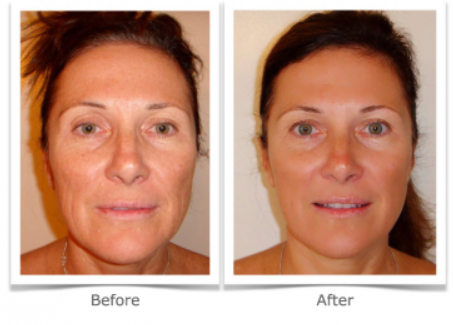
We stock a few amazing organic products important for anti-ageing. An Ayurvedic brand, Puraveda contains peptides, Matrixyl (speeds up the synthesis of Type I, II, IV, elastin and hyaluronic), argireline (nature’s botox), CoQ10 as well as hyaluronic acid that plumps up the skin. Within their products are botanicals that reduce inflammation, promote collagen and stabilise collagen. They boast that it has been clinically proven to reduce wrinkles and fine lines by up to 60% in less than 60 days. Depression scarring can also be helped with these products.
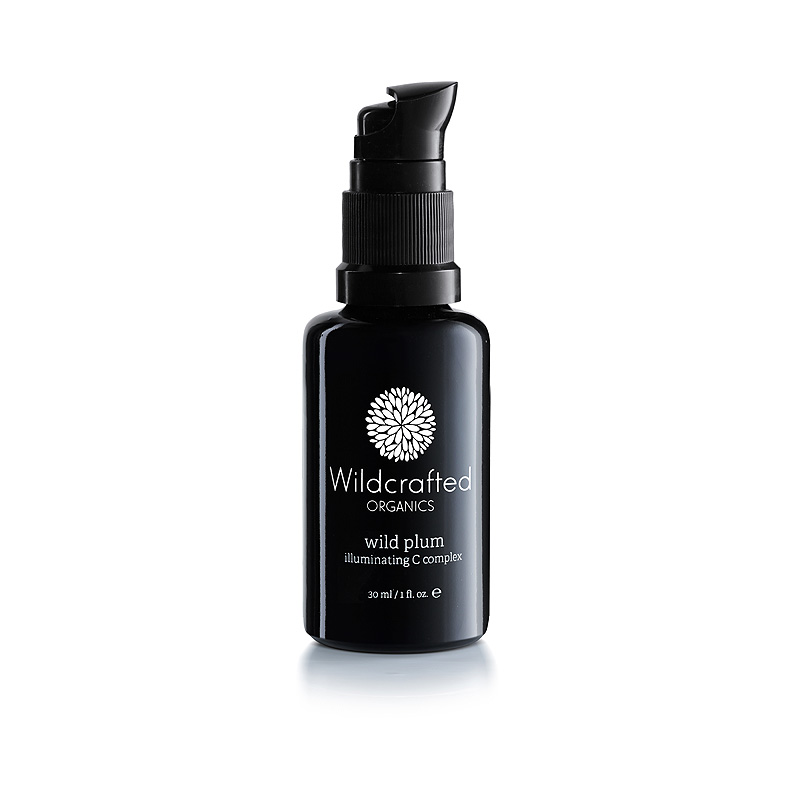
Our other product line is Wildcrafted Organics. Their Wild Plum Illuminating C Complex contains the amazing Kakadu plum. Also containing knotgrass, which is photo-protective and Leuphasyl, another botox like peptide. Antarctine increases levels of Collagen I, IV and Elastin.
Toxic chemicals are not required to get amazing results from your skin care. Plant botanicals are extremely powerful and in the right combinations can assist your skin recover, grow collagen, and glow!
Cosmetic Procedures to Induce Collagen for Rejuvenation
Inducing collagen can occur via laser technology and needling. This is creating collagen at speed! We have found the needling mechanism traumatic and painful and not quite as effective as laser treatments. Some needling techniques have also been known to tear the skin and interrupt the skin barrier system.
Ablative laser therapy is definitely a more intense treatment with greater down time but faster effects by thermal and wound induction. Effects are generally noticed after a few months as the collagen continues to form.
Non- Ablative laser therapy is a gentler approach to forming collagen that thermally causes the induction of collagen. Another form of non- ablative treatment is Low level laser therapy. This would best be suited for the highly sensitive and for those who’s skin has been damaged by needling. Effects are also noticed after a few months.
Take Home Message
Supplementation with high quality collagen could be beneficial to promote collagen synthesis in the body, helping to restore collagen to its former state. This is important for the skin, gut, blood vessels and joints. As collagen is important for skin elasticity, many people choose to take a collagen supplement to help combat the effects of ageing. Peptides and antioxidants are the best way to boost collagen naturally. Bio-availability is the important factor in collagen supplementation. Collagen is a large molecule but hydrolyzed collagen has amino chains broken down to smaller units making it easier for the body to assimilate. This is what you need to look for when purchasing a collagen product for ingestion.
Generally, we are not getting enough collagen in our diet as our ancestors did. Eating nose to tail has become less frequent or virtually non-existent in the standard western diet. If nose to tail eating is not to your taste, you can find collagen in foods that contain gelatin, such as bone broth. Gelatin is a protein substance derived from collagen after it has been cooked. Some people report a histamine reaction after consuming gelatin or gelatin powders and supplements, so gelatin may not be appropriate for those with severe histamine intolerance’s.
Alternatively, try some of our collagen powder recipes to help you get collagen into your body. It is your body’s scaffolding. You’ll be pleased to know that collagen powder is tasteless and can even be added into your tea or coffee. Start with a tablespoon in your morning coffee or tea. If you are not a beverage drinker, then just mix into slightly warm water or room temperature juice. For the best benefits, drink it on an empty stomach.
Here is our Matcha Beauty and Power Balls recipe, getting the benefits of green tea too. It is really easy to add collagen powder to anything. To make your own bone broth, try this.
https://www.lrcc.com.au/wp-content/uploads/2019/07/Depositphotos_36058765_s-2019.jpg6641000lrcchttps://www.lrcc.com.au/wp-content/uploads/2019/03/LRCC-Logo_CMYK-340-156.jpglrcc2019-07-24 04:54:242022-04-06 05:18:17Health Benefits Of Bone Broth- Joints, Skin and Brain
70% – 80% of your immunity is derived from the gut so to help improve your immune system, provide your body with the powerful tool of good nutrition. Supporting the body’s immune system through the winter months is therefore beneficial, not only to stay and feel well, but to move that ink out! It is no surprise that the healthier our gastrointestinal tract is, the healthier we are.
Here is a list of immune boosting ingredients you can incorporate into your diet this winter to help maintain or gain health and move ink.
https://www.lrcc.com.au/wp-content/uploads/2018/07/body-e1552379959393.jpg669768lrcchttps://www.lrcc.com.au/wp-content/uploads/2019/03/LRCC-Logo_CMYK-340-156.jpglrcc2019-06-03 12:23:082022-04-06 05:18:17Nutrition To Help Boost Your Immune System During Winter
Through modern food production involving over processed soil and contamination with pesticides as well as some genetic predispositions, we can become deficient of important vitamins and minerals. Stress can also deplete our supplies as well. Drugs, cigarettes and certain pharmaceutical medication can also jeopardize our reserves of vitamins and minerals.
Minerals, as well as vitamins are required for Methylation, one of the most important functions in our body that happens in every cell and every organ of the body. Minerals and the active form of Vitamins act as cofactors and coenzymes respectfully in this process. Methylation is required for DNA production, neurotransmitter formation (mood), hormone production, gut and liver detoxification, energy production, the list goes on.
In this blog, we will cover what certain minerals do for your body and skin and what food source you can find them in.
And remember, taking care of your body is taking care of your skin. Your body feeds your skin.
Zinc
An essential trace mineral, and even though it is at the end of the mineral alphabet, it is one of the most significant for skin health. It is found in every cell of the body and is important for growth and repair. By fighting free radical damage and slowing the ageing process of cells, it is a beautiful anti-ageing mineral. It can also help inflammation and allergies as zinc helps dampen the histamine response. Oral contraceptives and excessive exercise can deplete zinc. Pyrrole disorder is a genetic disorder that causes a loss of zinc and B6 from the body quickly. You need zinc to activate T cells, critical for proper immune function. One study found that “zinc administered within 24 hours of onset of symptoms reduces the duration of common cold symptoms in healthy people.” It is also required to balance insulin. Zinc is needed to convert Vitamin A into its active form, important here in reducing oxidation and inflammation, maintaining good eye health. One research paper states that “replenishing with zinc has been shown to improve cardiac function and prevent further damage” when damage has occurred. White spots on the fingernails can be an indicator that you have low zinc levels. According to the World Health Organisation, zinc deficiency is ranked the fifth-leading risk factor in causing disease worldwide.
Zinc without a doubt is one of the most significant minerals required to help maintain good skin. For its ability to neutralize free radical damage, protecting the collagen producing fibroblasts, controlling inflammation and regulating the skin’s natural oils, it is powerhouse of goodness. Furthermore, in its neurological role, zinc increases BDNF (brain-derived neurotrophic factor) which boosts brain function and acts as an antidepressant. It can also improve GABAergic pathways (associated with anxiety).
Body Works: Anti-inflammatory, antioxidant, production of hormones, immunity, mood disorder, insulin balance, muscle growth and repair, essential for protein synthesis and the breakdown of carbohydrates (nutrient absorption), important for taste, smell and vision.
Food Sources: Almonds, Chickpeas, Pumpkin seeds, Sesame seeds, Sunflower seeds, Cocoa, Grass Fed meat, Cashews, Mushrooms, Spinach , pasture fed Chicken, Oysters and Eggs. Soaking, heating, sprouting, fermenting and leavening will increase the bioavailability of zinc for plant based foods. (Vegetarians are therefore more susceptible to zinc deficiency due to phytic acid affecting bioavailability)
Skin Works: Regulation of sebum (acne, oily skin), anti-inflammatory (skin conditions such as acne, rosacea, and eczema), skin repair and wound healing, protective against UV- induced damage, aids in collagen production (protecting against oxidative stress). Zinc is therefore an important mineral for your skin’s defence.
Many people can be zinc deficient
Magnesium
Magnesium is involved in over 350 biochemical processes in your body, but who’s counting! It is important for the healthy function of most cells especially the heart and muscles.
Magnesium insufficiency or deficiency is really common. It has been recorded to be as much as 80%. Most soils have become severely depleted of nutrients, including magnesium and frequently eating processed foods will magnify this deficiency. Absorption is hindered by excess fat, alcohol, soft drinks, certain drugs and coffee and sweating and the double edged sword is that it Magnesium actually requires Magnesium in the body to be absorbed!
What else is it involved in? The creation of energy, the regulation of blood sugar and insulin sensitivity and it is important in the stabilization of membranes. It has an anti-inflammatory activity and helps with mental and physical relaxation. Feeling tight, crampy, stiff or irritable?–you could be deficient in magnesium. There is a strong link between stress and skin problems. High cortisol produced when stressed leads to higher levels of insulin and increased insulin is associated with increased sebum.
Body Works: Muscle contraction (including the heart), bone formation, regulation of blood pressure, alleviating the effects of stress on the body, maintenance of hormones, essential for calcium, migraines, detoxification, energy, digestion, brain function, the list continues..
Food Sources:Dark leafy greens, dark chocolate, almonds, pumpkin seeds, cashews, avocado, banana and figs.
Due to its common deficiency, it is important to include magnesium rich foods in your diet, just don’t go totally mad on dark chocolate as it still can contain sugar! Magnesium is a vital mineral and supplementation may be required. Some forms of magnesium are far better than others. Mg Citrate and Glycinate have greater bioavailability. –
Iron
Iron is an important mineral required for the oxygen carrying capacity of our blood cells from the lungs to transport throughout your body. If you don’t have enough iron, your body can’t make enough healthy oxygen-carrying red blood cells and your body and skin can suffer. Have you ever noticed a smoker’s skin? It can appear pale and yellowish colour. Smoking depletes oxygen
Low iron is considered the world’s most common nutritional deficiency. Symptoms can be fatigue, muscle weakness, sensitivity to the cold, brittle nails, brittle hair, depression, headaches, restless leg syndromeand gastrointestinal disturbances.
Iron is involved in many enzymatic systems in the body, including those involved in collagen synthesis. Collagen is the most abundant protein in animals, and the major component of connective tissue. –
Body Works:Oxygen to muscles for muscle contraction, immunity strengthening, oxygen for the brain for concentration, neurotransmitter formation (mood), temperature regulation
Food Sources: Liver, beef, dark leafy green vegetables, eggs, legumes, pumpkin seeds, broccoli, beans and oysters. Iron is enhanced by taking Vitamin C foods. Increased requirements of iron for vegetarians are needed as the plant form is more difficult to absorb than the animal form.
Skin Works: Collagen formation, healing of wounds and scars, potentially decrease dark circles, improve skin glow.
Supplementation is best on an empty stomach as absorption in the gut is poor and can be impeded by other foods such as caffeine, fizzy drinks and grains.
Selenium
Selenium recycles Vitamin C and E and protects DNA. This alone makes it important for skin health and longevity. It helps detoxify chemicals and toxic metals and is critical for thyroid hormone production (metabolic rate, heart and digestive function, muscle control, brain development, mood and bone maintenance). Selenium is often deficient in our Australian soils but may not be deficient in others.
Body Works: Antioxidant, anti-inflammatory, with COQ10 for heart protection, blood vessels, thyroid function, detoxification, grey hair prevention
Food Sources: Brazil nuts, sunflower seeds, mushrooms, seafood, meat, poultry, oats, brown rice.
This is not often a deficient mineral unless there are cardiac problems, excessive sweating or gastrointestinal diseases are present and is generally best to obtain by the diet. It is primarily involved in the conduction of electricity (e.g memory and learning in the brain) as well as cell membrane integrity. Sodium, magnesium, calcium and potassium are interlinked and are the 4 nutrients required for overall cell function and therefore the absorption of nutrients.
Body Works: cell protection and function, water and electrolyte balance, alkalizer, muscle strength.
Calcium, the most abundant mineral in the body is essential for bone health, blood clotting, nerve transmission, muscle contraction and hormone secretion. Calcium in bones is used as a storage area and is released into the bloodstream when required. It is important here to help balance the acid/alkaline environment (pH). A diet heavy on carbonated drinks (phosphorus content), coffee, tea, white flour and beer (acidic foods) will assist in depleting calcium from the bones. Some drugs are phosphorus based so check with your G.P. Hereis a list of acid/alkaline foods. Calcium may also help with appetite suppression. Brittle nails, alopecia (via the synergistic relationship with Vitamin D) and dry skin conditions have been associated with low calcium.
Body Works: Heartbeat, muscle contraction and tone, hormone synthesis and secretion, blood clotting, hair, creates alkalinity.
Food Sources: Broccoli, raw milk, dark green leafy vegetables, sardines, yoghurt, kefir, legumes, almonds, sesame seeds, flaxseeds, quinoa.
Skin Works: brittle nails, dry skin
Vitamin D
Vitamin D is essential for the body to store and use calcium. Magnesium and Vitamin K are also required.
Body Works: Creates Alkalinity, maintains regular heartbeat, maintains muscle contraction and tone, hormone production and release, blood clotting, bone health.
Food Sources: Dark green leafy vegetables, legumes, almonds, sardines, yogurt or kefir, broccoli, sesame seed oil
Skin Works: The prevention of dry skin (skin firmness and elasticity), possibly help with eczema and psoriasisskin conditions.
So many vitamins and minerals exist in dark leafy green vegetables so as your mother has probably said, Eat Your Greens! …….. particularly the dark leafy ones.
Certain nutrients act either antagonistically or synergistically with others. Please always receive advice from a health professional before self-supplementation. Be careful of your sources of food too. Many pesticides and poor soil quality could reduce the nutrient availability or content of your food.
https://www.lrcc.com.au/wp-content/uploads/2019/04/shutterstock_316804268-e1556080034601.jpg467700lrcchttps://www.lrcc.com.au/wp-content/uploads/2019/03/LRCC-Logo_CMYK-340-156.jpglrcc2019-04-27 00:52:522022-04-06 05:18:17Minerals for Inner Health and Skin Care
The negative effects of long periods of sitting have hit the news again. There has already been plenty of research papers on sitting and lower back pain, attributed to excessive loading patterns on the spine. According to the latest research “Prolonged sitting may promote leg fluid retention that redistributes to the neck during sleep and contributes to snoring”. The pooling of your lymphatic fluid and its drainage might be affecting your health. It is said that 35% of people who snore have obstructive sleep apnea. Snoring can also cause low oxygen levels in the blood, which is of course crucial to good brain function amongst other things.
The fluid accumulation on lying is said to shift to the neck/throat area compromising the upper airways. For those with already compromised airways due to narrow passages, snoring is more likely to occur.
Calfactivation exercises are advised including a pedal type motion or exercises similar advised for preventative DVT (deep vein thrombosis) could be beneficial. Our Back Vitalizer cushions filled with variable amounts of air available at our clinic is a similar but a more convenient idea than sitting on a swiss ball however more activation occurs of the deep core stabilising muscles as well as foot and calf contraction when using the back vitalizer. It can also be used on the ground in a pedal pumping motion. The rhythmic tensing and relaxing of the muscles during physical movement propel fluid through the lymphatic channels.
Sit to Stand work stations can really make a difference and during those times of sitting, a simple air cushion could suffice. The key is always to try and move as much as possible and be aware of the amount of time you spend sitting. If you have an old trampoline in the back yard, have a few jumps on that. The rebounder of yesteryear is making a comeback and places like Kmart are stocking them again and would be a great idea in the office taking up very little room. NASA has actually studied the benefits of trampolining for astronauts to help them regain muscle and bone mass without excessive pressure to their feet and legs like the treadmill. Trampolining can have a tremendous benefit to the lymphatic system. On leaving the surface of the trampoline, the lymphatic valves open, and on landing, there is an increased G force causing the lymph fluid to surge up improving its drainage.
Trampolining therefore could be a great exercise for congested lymphatics! Trampolining exercise benefits are: Easier on the joints, helps with balance and proprioception, improves lymphatic flow and improves oculomotor control (the eyes ability to locate and fixate on an object, moving or not in a field of vision). This last benefit could potentially help children with reading problems to improve their reading as well as maybe hand-eye coordination.
Here is another research paper on the effects of sitting on back pain.
For those of you who do not take care of your posture, research has found that there is an increase in morbidity associated with an increased kyphosis ( upper back curve).
So take the opportunity to get moving, apply for a sit to stand work station, be mindful of your posture and maybe try trampolining!
There are many ways you can helpimprove your posture including at home and work exercises.
Need help with lower back pain? For further enquires please contact us on 02 9418 3930.
https://www.lrcc.com.au/wp-content/uploads/2019/03/Depositphotos_22961614_m-2015.jpg6671000lrcchttps://www.lrcc.com.au/wp-content/uploads/2019/03/LRCC-Logo_CMYK-340-156.jpglrcc2019-04-12 23:17:472025-09-05 01:15:48Lymph News - Long Periods of Sitting can cause Low Back Pain and SNORING too!
Information and research is slowly becoming available on the risks that technology poses on our bodies. In this article, a video is available to watch Dr Paul Ben-Ishai PhD Department of Physics Jerusalem, the Chief Editor of Radiation and Health and Adjunct Professor from Helsinki and MD Professor Emeritus Anthony Miller discuss their concerns on radio frequency that technology produces.
What was found is that sweat ducts act like an antenna to absorb 5G radiation. One scientist voiced concerns on the effects on young brains and mentioned autistic syndrome. She demonstrates the effects on a 6 year old brain watching virtual reality simulations.
MD Professor Anthony Miller stated that radiofrequency fields are a probable human carcinogen and it could be a major health concern.
I’ve been recently reading articles on the thyroid. Apparently it is very susceptible to EMR and this study discusses mobile phone radiation and the absorption into thyroid tissue. Is this why there are so many thyroid disorders now?
Brussels has become the first major city to halt 5G due to health concerns.
“I cannot welcome such technology if the radiation standards, which must protect the citizen, are not respected, 5G or not. The people of Brussels are not guinea pigs whose health I can sell at a profit. We cannot leave anything to doubt.” – Céline Fremault, Minister of the Government (Brussels-Captial Region), responsible for Housing, Quality of Life, Environment and Energy.
Dr. Martin Pall, the WSU Professor Emeritus whose research explains the mechanism of how wireless radiation causes harm in our cells, calls 5G “the stupidest idea in the history of the world.”
And this one is my favourite statement in the Brussels article-“However, within the corporatized halls of government, there is a well-worn pattern of voices of reason being drowned out by the frothed frenzy of technocratic corporations, who envision 5G as an unprecedented economic opportunity for the full-on commercial exploitation of reality.”
Jeromy Johnson, Masters of Engineering discusses the issues of wireless smart metres and cell towers in a TEDx talk here. He personally has suffered ill effects from this form of radiation.
The science shows, he states, that we are all affected on some level. The reason is that our bodies are electric. This is how are nervous system operates. He recommends you google EMF research. He states that we now have enough evidence to take precautions. The regulations are about 20 years old and need to be updated with all the evidence available. The science unfortunately is and has been heavily influenced by industry funding so there is definitely an influence of money in a lot of results available. Independent studies are the best to read. The solution he says is fibre optics. Product designers including biophysicists and biologists would be helpful to make safer products to limit radiofrequency or ideally to remove it all together.
His recommendations
Turn off wifi at night before you go to bed
If the phone is on your body, put it on airplane mode.
Use the speaker or eartube headsets ( the industry is telling us NOW to keep it 1 inch away from the body- the industry= mobile phone companies)
For children, download information on to the ipad then turn wifi off.
Turn off baby monitors at night
Dr Charlie Teo, an eminent Sydney neurosurgeon has voiced his concerns about mobile phones causing brain tumours. The Cancer Council Australia squashed his theory stating that there was no evidence. The question is, is their evidence sources from independent studies or from industry funding? Esteemed scientists showing genuine concern is enough to make me have concerns. What about you?
A better way to use your phone.
https://www.lrcc.com.au/wp-content/uploads/2019/04/Depositphotos_241699520_l-2015-e1554332099281.jpg334500lrcchttps://www.lrcc.com.au/wp-content/uploads/2019/03/LRCC-Logo_CMYK-340-156.jpglrcc2019-04-03 23:02:362022-04-06 05:18:17Technology has allowed us many benefits, but what are the risks?
Vitamins are important for many processes in our body including the process of gut and liver detoxification, neural tube development and DNA formation. The skin, the largest organ in the body is important as a defense mechanism and its health is a function of our immune system which includes what we put in our bodies. From ageing, acne, skin conditions such as eczema and even abrasive and ablative cosmetic procedures, and the condition of the skin including its protective barrier is very important. What can complicate maintaining healthy skin is that the formation of vitamins and any reaction in the body requires certain complex biochemical processes. Stress, environmental and genetic factors can cause these processes to break down at different points creating individual patterns and problems for that person. Oral supplementation could be helpful here in some cases to re-balance the body, helping promote health and longevity but what can we do for the skin?
https://www.lrcc.com.au/wp-content/uploads/2019/03/Depositphotos_111678976_m-2015-e1554093048234.jpg576500lrcchttps://www.lrcc.com.au/wp-content/uploads/2019/03/LRCC-Logo_CMYK-340-156.jpglrcc2019-04-01 07:21:302022-04-06 05:18:17Vitamins that should not be missed – Health, Longevity and Beauty Benefits!